

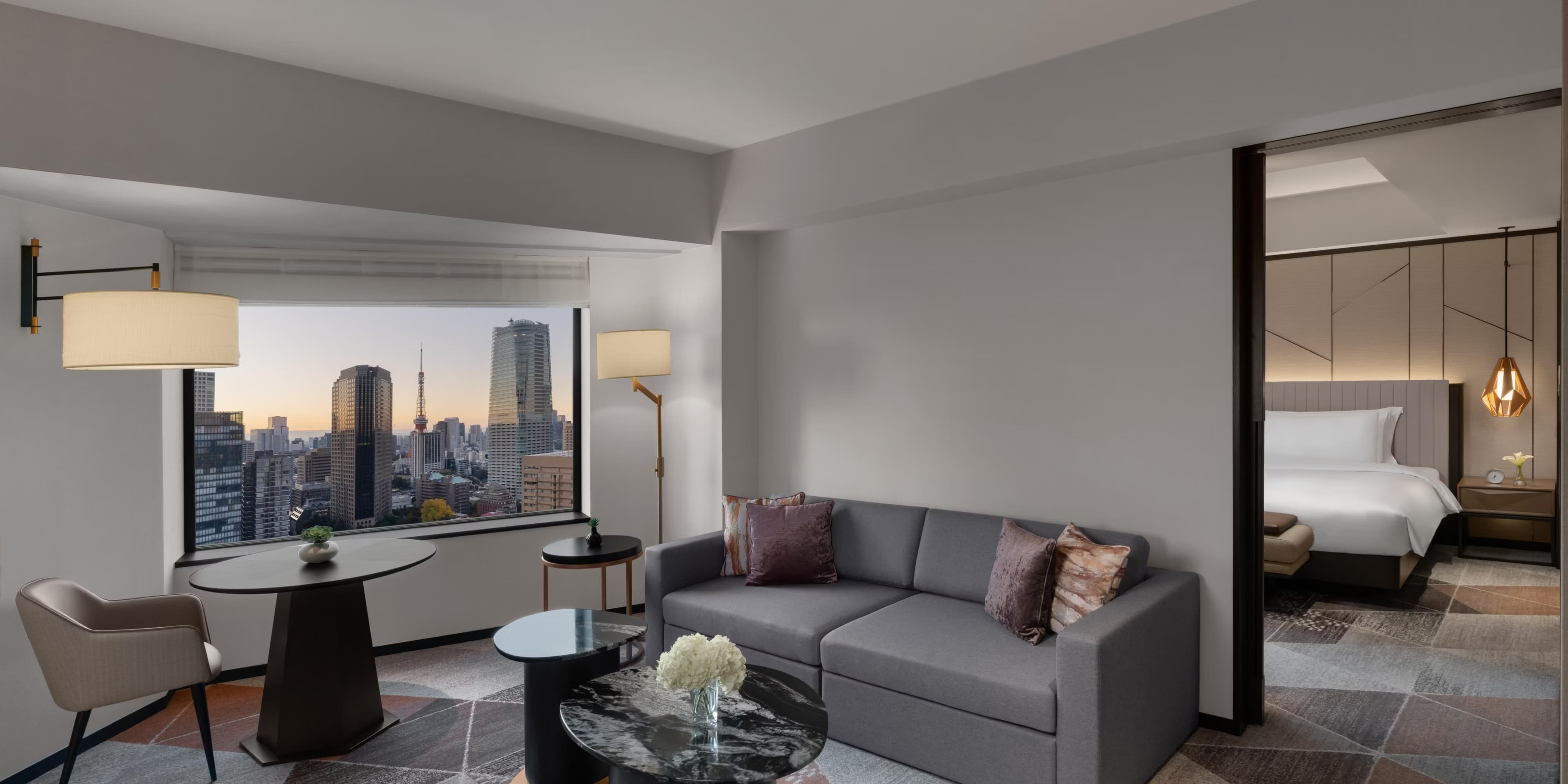
Tokyo is a beautiful, indifferent machine that will swallow you whole if you plant yourself in the wrong corner of it. Most travellers arrive with a vague plan and end up losing their first 48 hours to the sheer friction of the city’s 23 wards, which collectively are three times the size of Paris and infinitely more complex. If you did not do the research, the city will let you know by wearing you down, one subway transfer at a time.
Deciphering the city’s wards seeds a specialised form of madness. Unless you have logged years on the ground, you are usually just guessing. Most visitors — first-timers and repeat offenders alike — gravitate towards the neon ghosts of Shibuya, the polished excess of Ginza, or the sensory overload of Shinjuku. However, anchoring yourself to just one is a mistake because, unbeknownst to most, there is a sweet spot — a geographic cheat code hidden in plain sight — that puts every one of those icons within a 20-minute strike.
Akasaka is often misread as a sterile landscape of high-rises and higher price tags. The cost is real, as it is some of the most expensive real estate in Japan. But the premium exists for a singular, unsentimental reason: it is the true centre of the Tokyo machine. The ANA InterContinental Tokyo, one of Tokyo’s many legacy hotels, sits right in the teeth of this geography, bordering the high-life fever of Roppongi while staying anchored in the city’s power corridor. For a hotel of this scale, its locale is more than a convenience; a strategic advantage that smaller, boutique rivals simply cannot replicate.
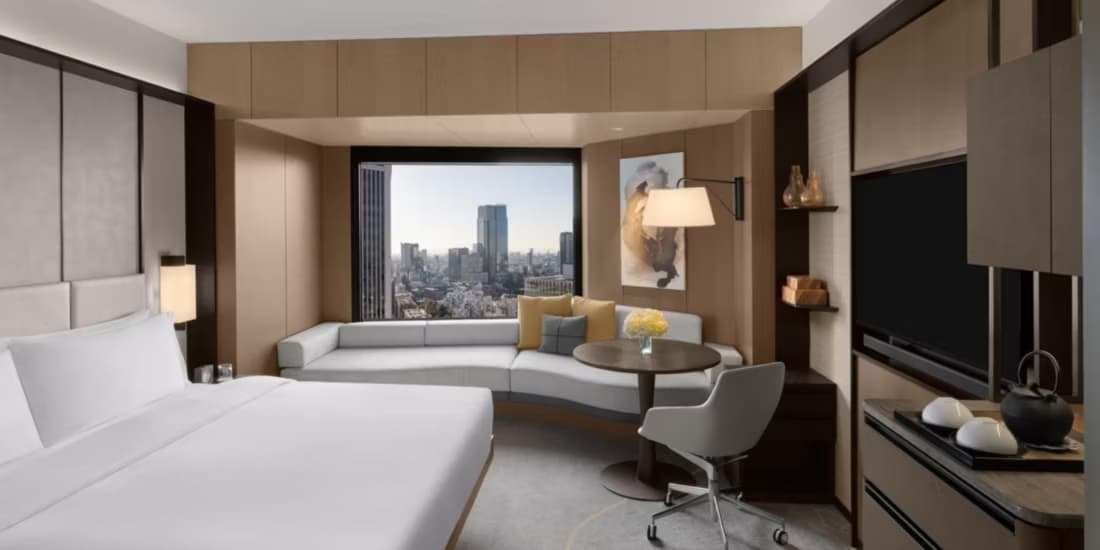
Location is the hook, but it is not the whole story. The ANA InterContinental Tokyo recently emerged from a 15-month surgical overhaul, a massive undertaking that dragged 801 rooms out of the aesthetic purgatory that plagues much of Japanese hospitality — bringing Japan’s sharp eye for modern minimalism to its new interiors.
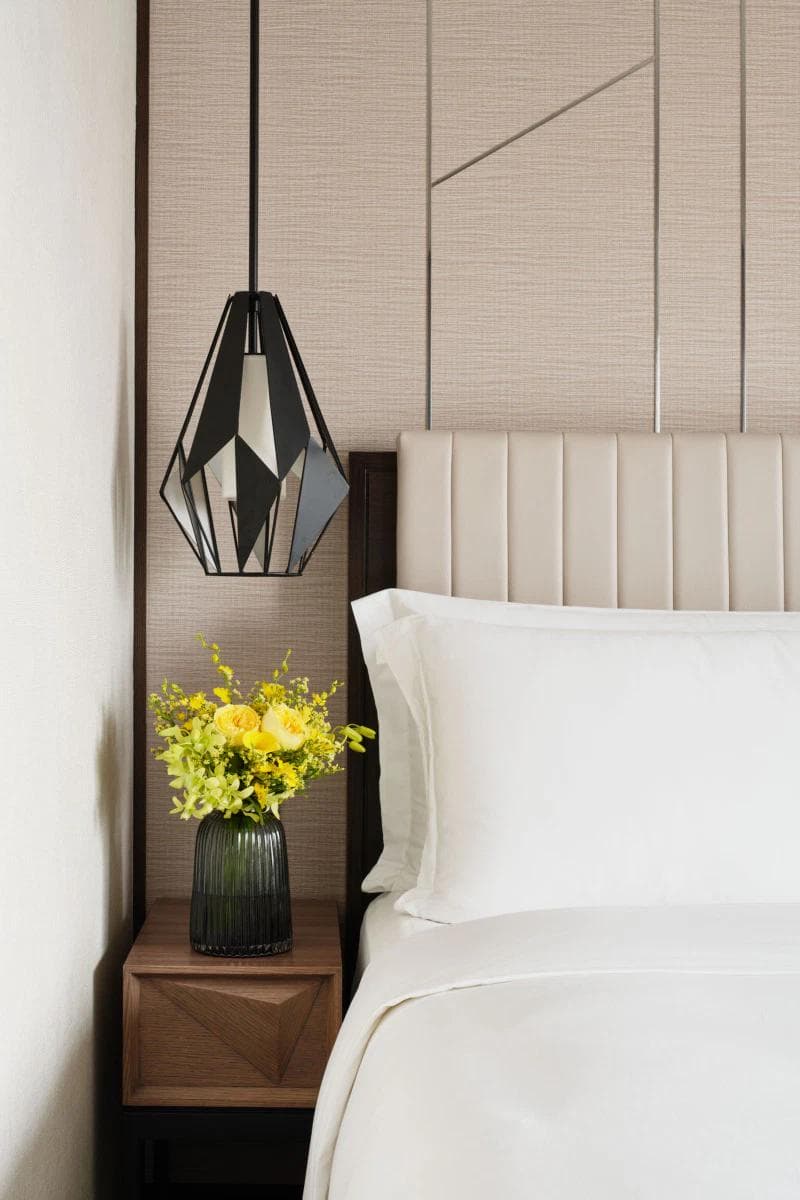
ANA InterContinental Tokyo has opted for a sharper look. The new rooms lean into a disciplined “origami” motif handled with total restraint rather than gimmickry. It is a genuine attempt to harmonise traditional craftsmanship with the high-gloss demands of the present, which feels inviting for both the needs of business and leisure travellers.
This rebirth also triggered a strategic shift in the floor plan. The new Mizu (water) and Sora (sky) suites essentially cannibalise two standard double rooms to create sprawling, elongated corner sanctuaries. In a city where space is the ultimate luxury, this kind of footprint usually demands a ruinous price tag. Here, it is a modest upgrade that easily rivals the speciality suites at properties charging double the rate.
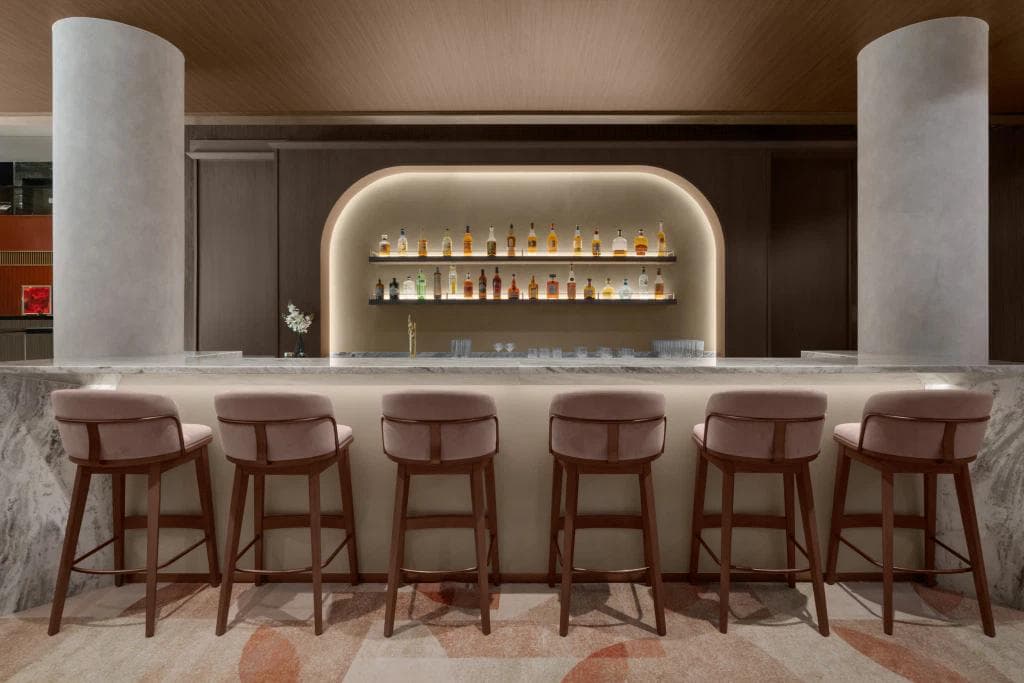
Downstairs, the public spaces have been similarly weaponised for the modern traveller. The Atrium Lounge and the new Genever Lobby Bar have finally shed their corporate skin for something tactile and culturally literate. Then there is the dining situation. The golden rule of travel is to avoid eating in your hotel. The ANA InterContinental Tokyo challenges that dogma through sheer brute force. Thirteen distinct venues operate within the compound. You have everything from rigorous traditional Japanese to a heavyweight steakhouse ready to deliver a serious, high-protein reset after a punishing day on the pavement. With this much heavy artillery under one roof, breaking the cardinal rule of hotel dining isn’t a compromise. It is a tactical decision.
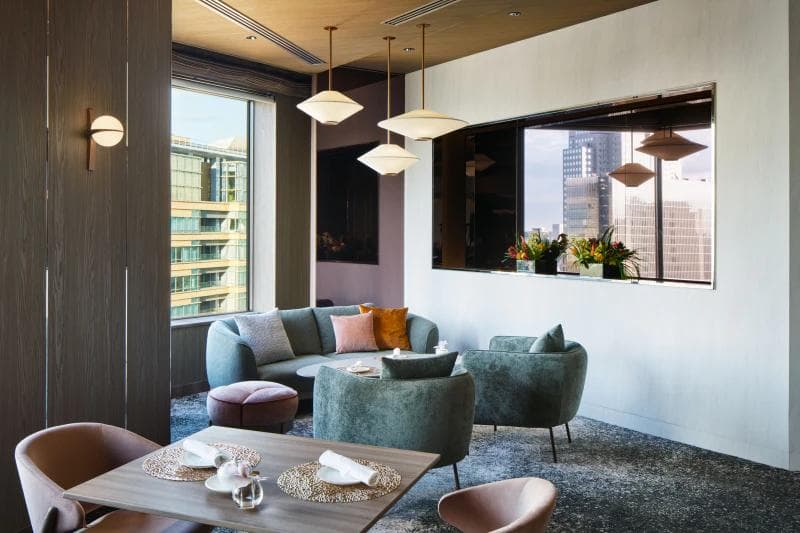
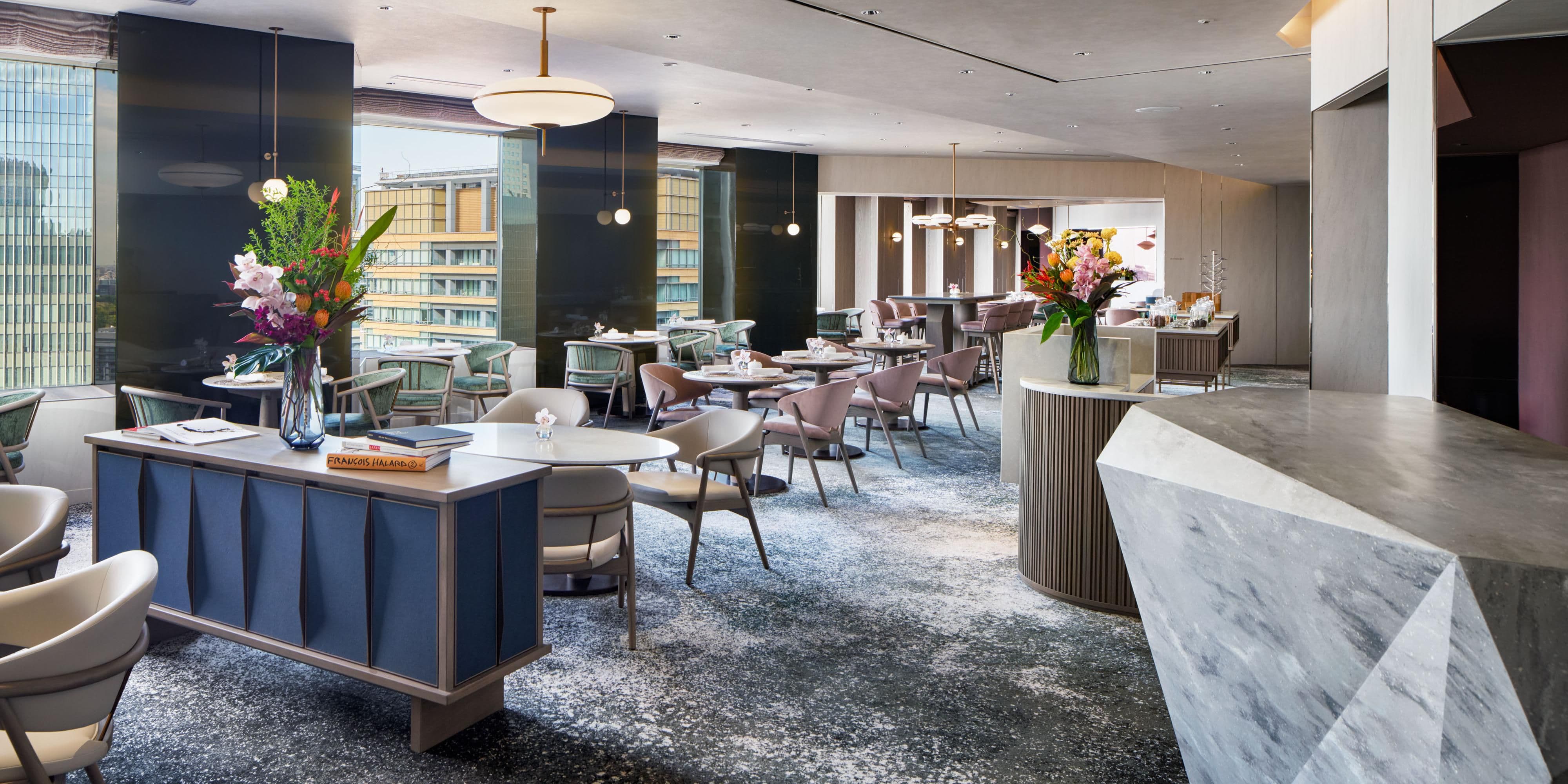
Above it all sits the Club InterContinental Lounge. It is a two-story, glass-walled command centre suspended over the skyline. It was built for the kind of person who needs to survey the Tokyo grid while closing a c
Read more from original article, all rights reserved The Rebirth of Japan’s ANA InterContinental Tokyo Hotel
Leave a Reply