
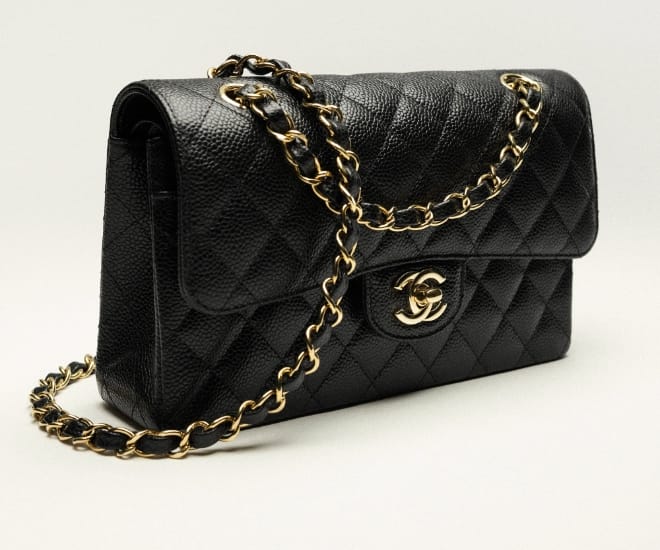
Across categories, the collector economy is defined by a convergence of emotional value and financial logic. Whether through heritage jewellery, blue-chip automobiles or culturally significant artefacts, collectors are increasingly viewing ownership not just as consumption — but as strategic acquisition. As global wealth diversifies, these tangible assets are becoming integral to how value is stored, experienced and passed on. The modern collector views ownership through dual lenses of emotional significance and long-term value. Classic cars, vintage jewellery, fine wines and pop culture artefacts are traded, appraised and leveraged as part of a diversified wealth strategy. As markets mature and secondary platforms provide liquidity, acquiring pieces like vintage Tutti Frutti bracelets or first-edition Barbies is no longer purely about passion — it is a disciplined investment strategy. LUXUO explores how this new economy is defined by tangible assets whose rarity and historical pedigree create measurable financial upside.
Jewellery
Vintage and antique jewellery is enjoying a resurgence among collectors because it stands for artisanal craftsmanship, scarcity and historical narrative — qualities that modern mass-produced pieces cannot replicate. Houses such as Cartier and Van Cleef & Arpels have entire heritage collections that document century-old styles with enduring appeal. Beyond aesthetics, collectors are drawn to the intrinsic value of precious metals and gemstones. Coloured diamonds, Burmese rubies and Colombian emeralds, for instance, continue to command strong demand due to their rarity and potential for long-term value appreciation.
Art Deco (1920s to 30s)
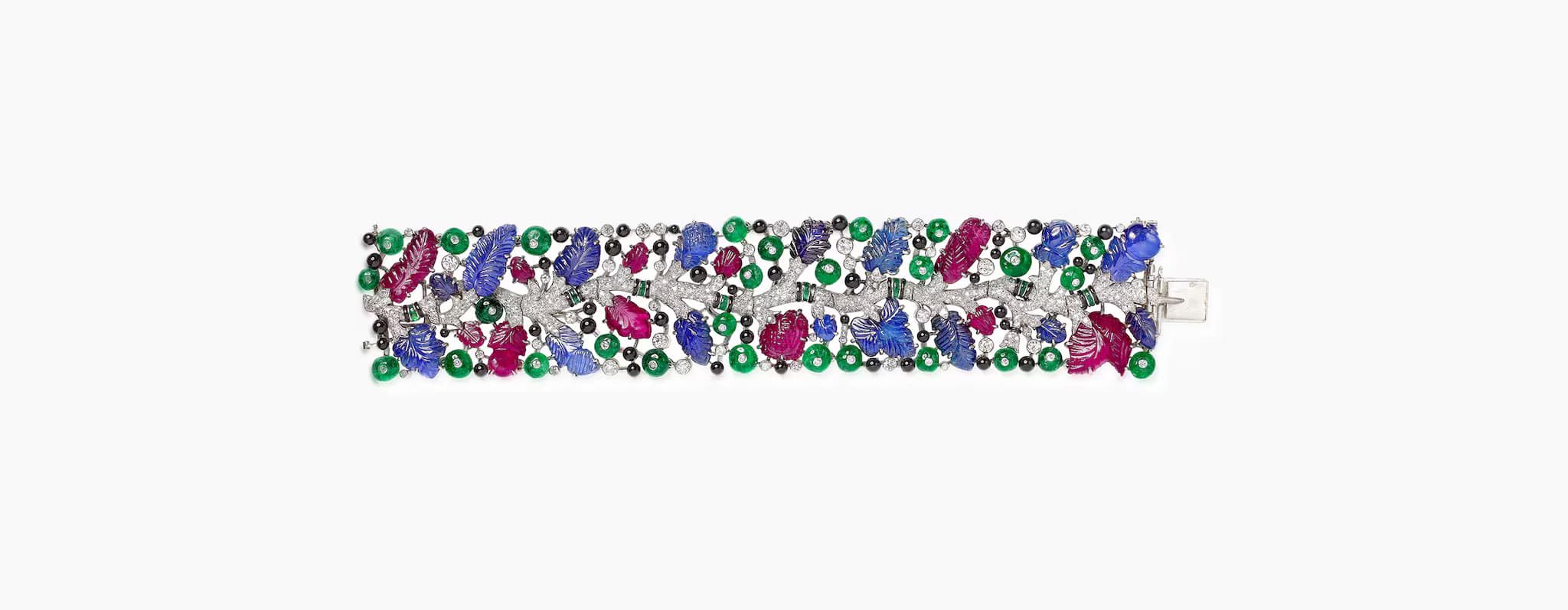
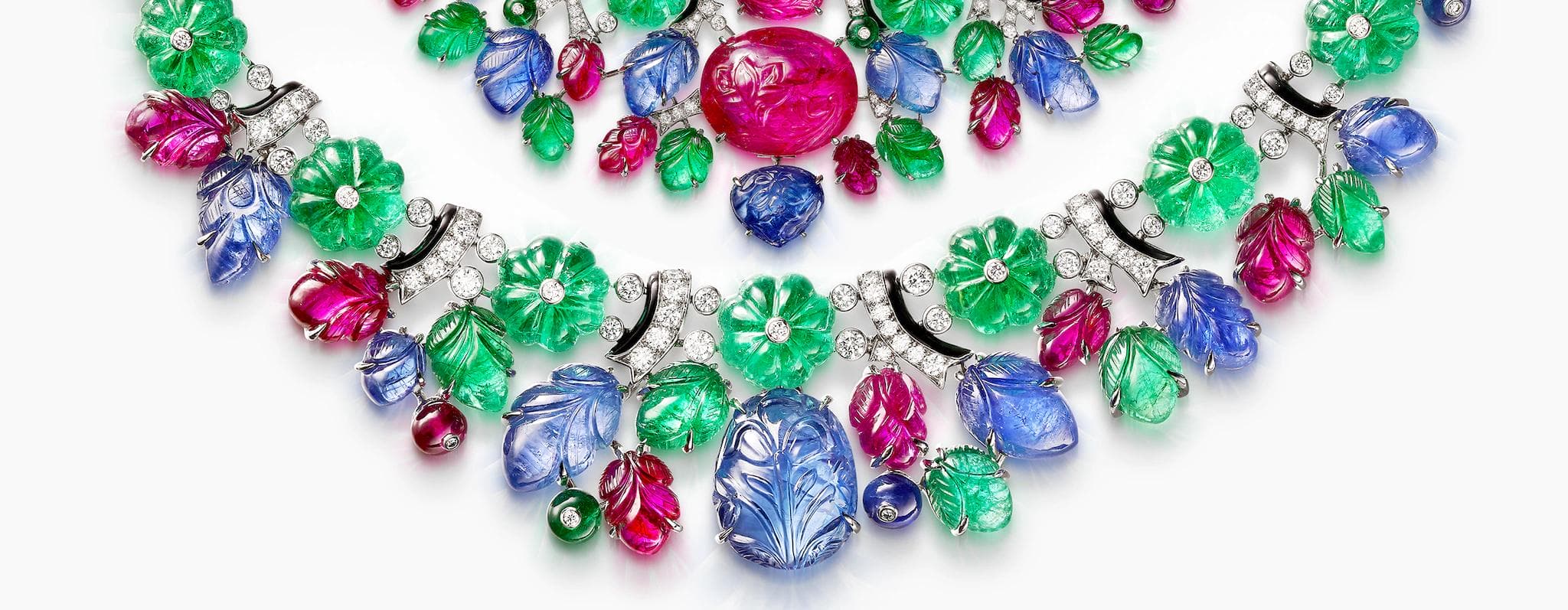
Cartier’s Tutti Frutti collection — based on carved coloured gemstones set into platinum and diamonds — dates back to the 1920s and remains emblematic of Art Deco design. Sapphires, rubies and emeralds carved or sculpted into leaves, buds and berries, or cut as cabochons, smooth or fluted beads, have made Tutti Frutti creations a signature of Cartier style for a century. Inspired by India — whose influence remains as vibrant as ever for the Maison — these designs celebrate a passion for combining volumes, colours and shapes. A notable example from 1925 brings together precious carved gems in a rich composition — diamonds, sapphires, emeralds and rubies shaped as leaves or berries, accented with onyx and black enamel, all mounted on platinum — moving beyond the individually set “foliage” pieces recorded in Cartier’s archives. Original Tutti Frutti bracelets from the 1920s/30s are rare and sought after, with auction results regularly entering the seven-figure range depending on provenance and condition.
Heritage Motifs and Archival Icons (1970s)
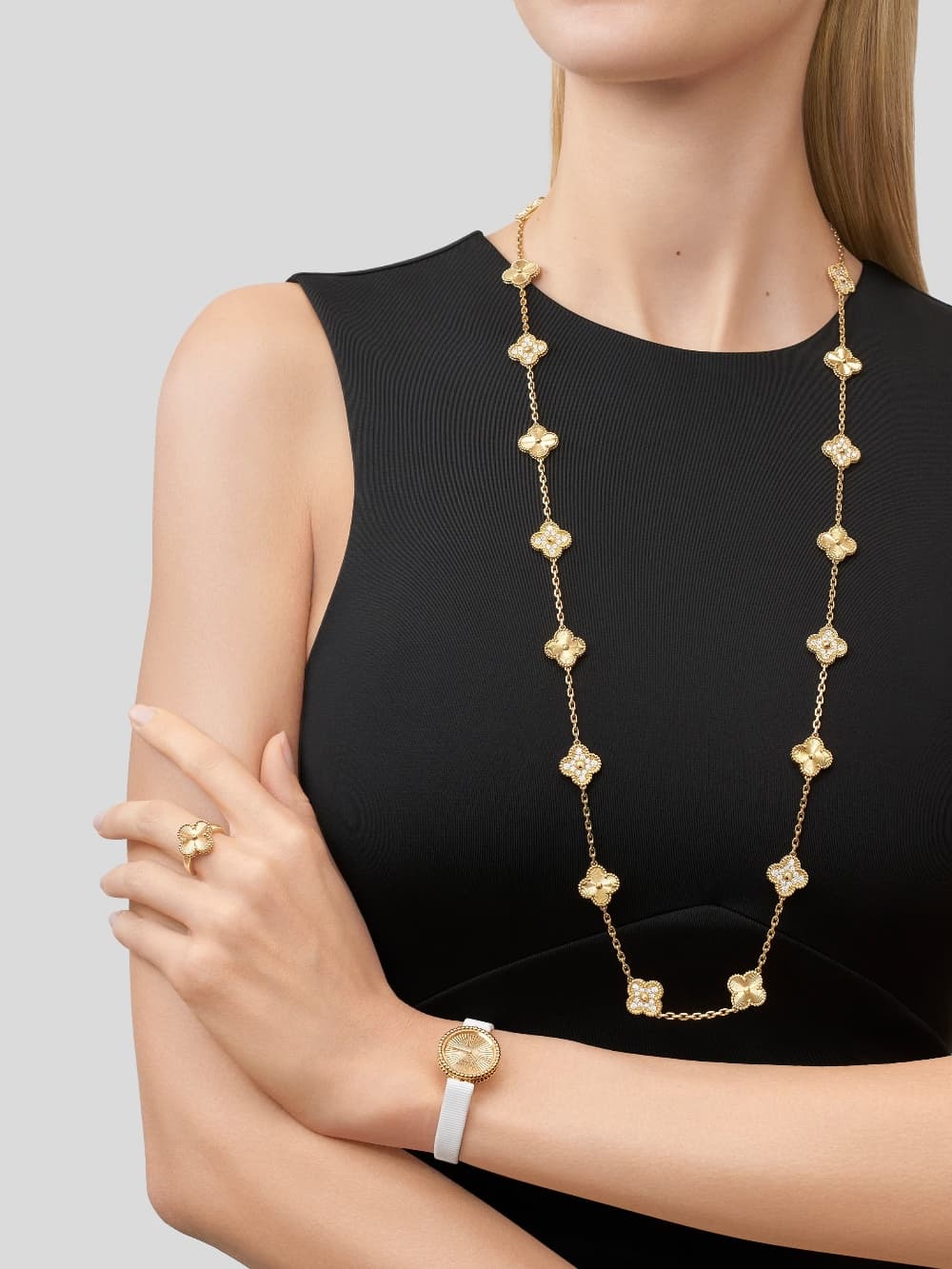
Heritage motifs that became iconic in the 1970s continue to perform strongly on the secondary market because their design lineage, cultural resonance and recognisability translate into enduring collector demand. A prime example beyond Art Deco jewellery is Van Cleef & Arpels’ Alhambra collection, first launched in 1968 with a 20‑motif long necklace that responded to the era’s shift toward wearable luxury jewellery outside formal occasions. The four‑leaf clover motif itself draws on symbols of luck and architectural forms associated with the Alhambra Palace and its beaded edges and natural stone inlays (from malachite and onyx to mother‑of‑pearl, carnelian, tiger’s eye and diamonds) define its visual identity. Vintage Alhambra pieces in hardstones and precious materials are highly collectible — with rare examples selling at auction for well into five figures, such as a pavé‑set 20‑motif necklace fetching around USD 126,000. The collection’s continuous reinvention through sub‑lines (Magic, Sweet, Pure and Lucky Alhambra) and sustained popularity among collectors and celebrities have helped maintain strong secondary‑market liquidity and price retention, with authenticated pieces often selling quickly when listed at fair value.
Classic Cars
Classic cars have matured into a recognised alternative asset class, supported by structured markets, specialist dealers and major auction houses such as Sotheby’s. What differentiates collectible cars from everyday automobiles is a combination of provenance, rarity, condition and documented history — all of which materially influence valuation. Collectible vehicles are typically defined by significant design heritage, limited production and cultural or motorsport relevance, and they are traded globally through both public auction platforms and private sales. That dynamic — along with liquidity provided by secondary markets and financial products tailored to passion assets — has helped underpin classic cars as long‑term store‑of‑value holdings for collectors and investors alike. What is driving renewed interest is a shift toward “usable classics” — cars that can be driven and enjoyed while still retaining investment value. This blend of experience and appreciation makes them uniquely appealing among tangible assets.
Blue-Chip Collectibles (1960s Icons)
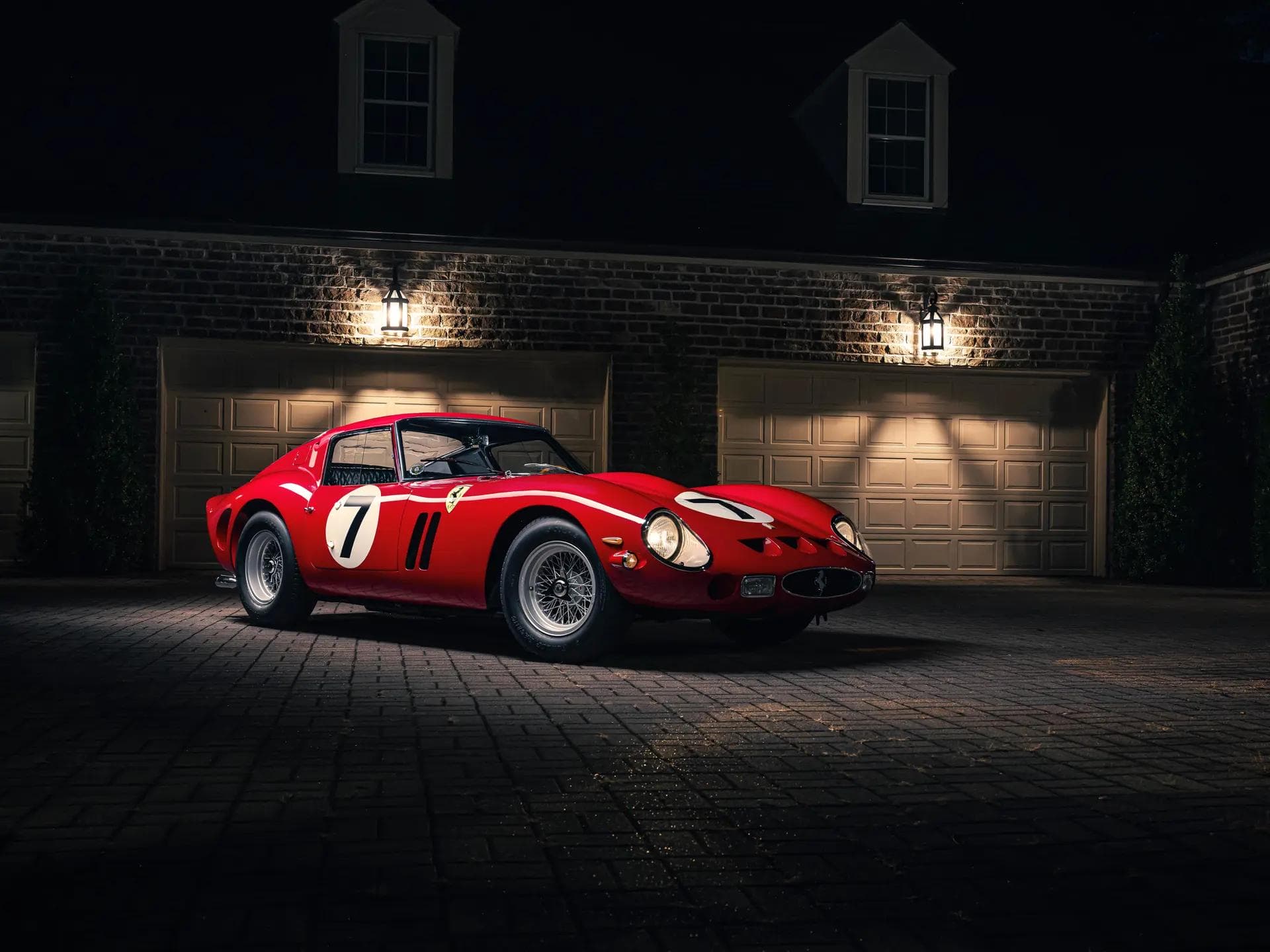
The Ferrari 250 GTO remains the benchmark of automotive collecting and serves as perhaps the strongest example of classic car value. Built between 1962 and 1964, just 36 examples were ever produced — all homologated for racing and crafted to exacting technical specifications. The combination of competition pedigree, Ferrari’s engineering lore and extreme scarcity has driven global demand. A rare 1962 250 GTO — dubbed the Bianco Speciale — sold for USD 38.5 million at Mecum’s 2026 Kissimmee auction, a result that reflects continuing appetite for these cars even if it was lower than some expectations. Public and private sales of 250 GTOs have fetched prices in the tens of millions of dollars — with one example reportedly selling privately for over USD 70 million in recent years — underscoring its status as one of the most valuable cars ever transacted.
What makes the 250 GTO more than a symbol of scarcity is its documented history, racing success and Ferrari Classiche verification, which authenticates originality and provenance — a critical factor for deep‑pocketed collectors. Cars that can trace their period use, original build details and correct specifications routinely outperform those without verifiable lineage.
Modern Classics (Circa 1980s–1990s)
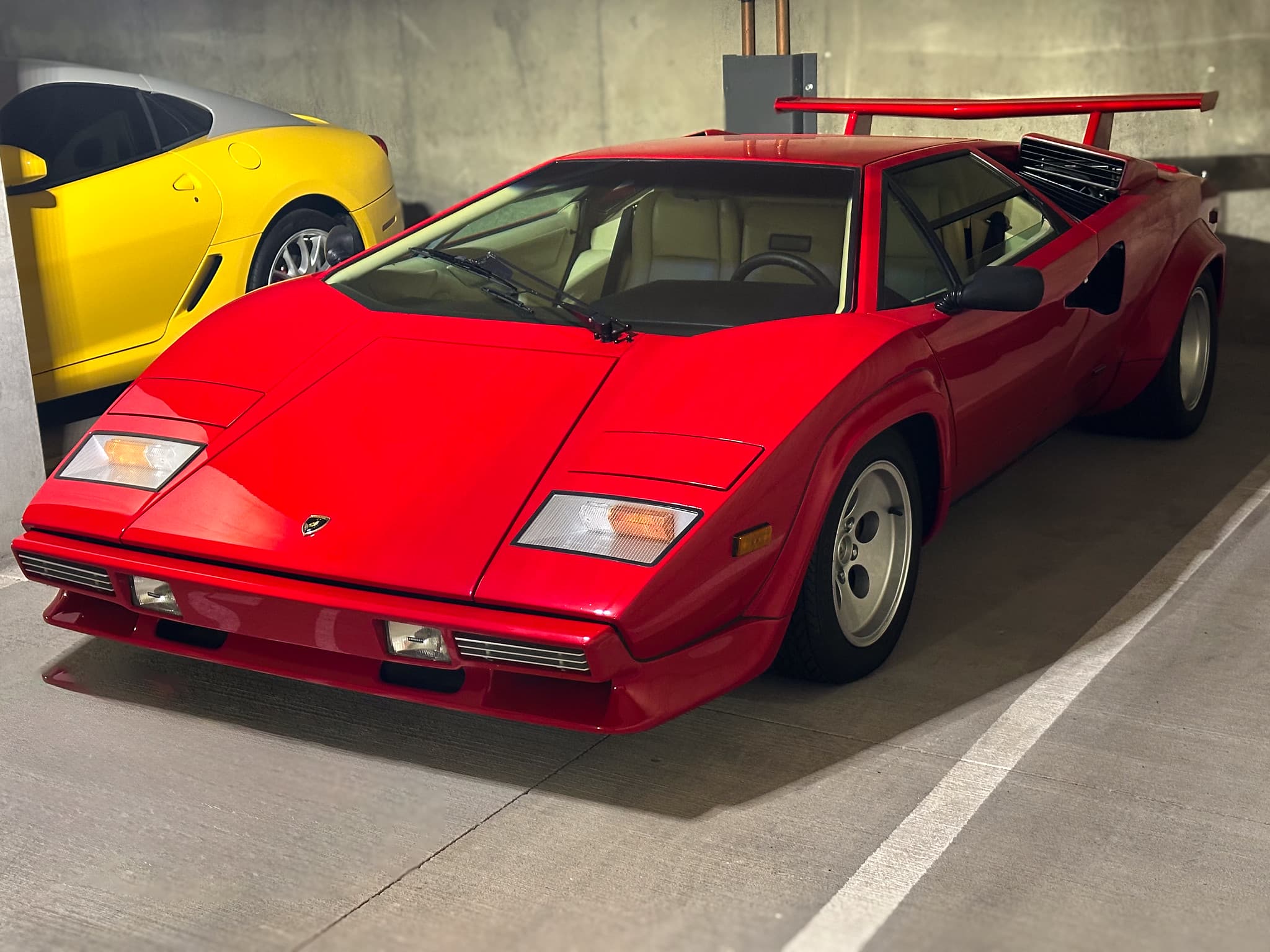
Beyond the 1960s icons, later supercars such as the Lamborghini Countach LP5000 QV have increasingly been recognised as investment grade in their own right. Once overlooked by mainstream collectors, well‑preserved examples of the Countach — particularly those with original specifications and minimal modifications — have started to trade above USD 1 million, driven by nostalgia and rising interest in usable classics. These are vehicles that not only evoke strong emotional nostalgia for those who grew up in the 1980s and 1990s but also benefit from shrinking supply as unrestored, original cars become rarer with each passing year.
Market research from wealth‑management firms and auction houses notes a broader generational shift in demand: while cars from the 1950s–70s maintain blue‑chip status, models from the 1980s and 1990s — including halo supercars — are now among the fastest‑appreciating segments because younger collectors view them as future classics. This trend has helped sustain strong values for a new cohort of collectible cars that bridge the gap between vintage rarities and everyday modern vehicles.
Luxury Bags
Luxury handbags have emerged as one of the most resilient collectible categories in the broader collector economy, with rare pieces now widely treated as alternative assets rather than mere fashion purchases. This evolution is supported by a mature secondary market — spanning platforms like Vestiaire Collective, Rebag and Fashionphile — and consistent data showing strong resale value retention for top‑tier brands. Specialist resale analysis places bags from ho
Read more from original article, all rights reserved Inside the Collector Economy — The Rise of Tangible Assets
Leave a Reply