

From cinematic storytelling to collectible design objects and experiential launches, luxury brands are reinforcing brand identity through campaigns and announcements that extend beyond product alone. As a result, brands are structuring launches around controlled environments — from limited-edition releases and archival reinterpretations to access-led experiences — that frame how products are introduced and engaged with over time. Across luxury fashion, premium spirits and high-performance automotive, these moments reflect a shift toward immersive storytelling, where heritage, design language and ownership experience are developed in parallel as part of a unified brand strategy.
Luxury Spirits & Alcohol
The Glenrothes Unveils “The 51”
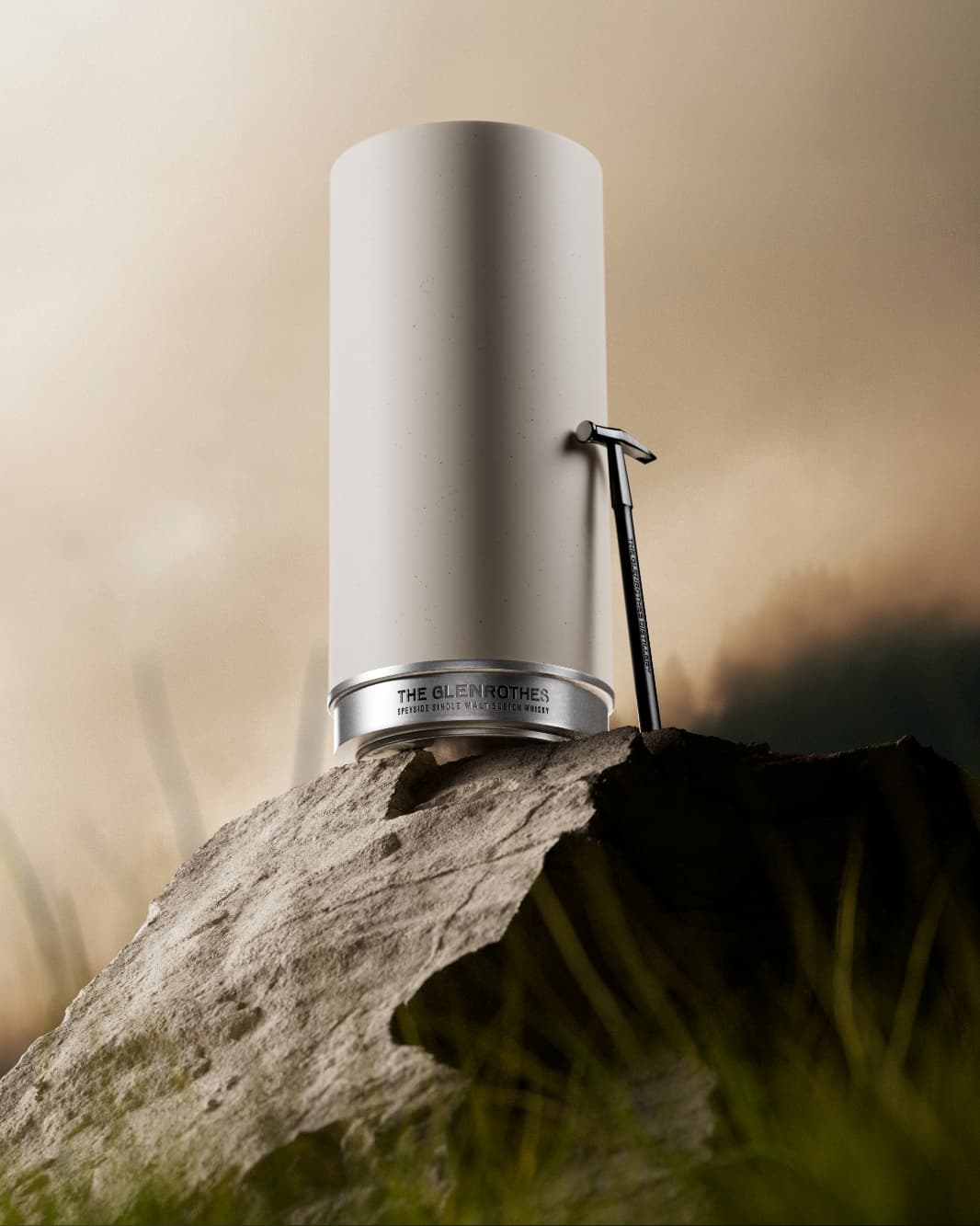
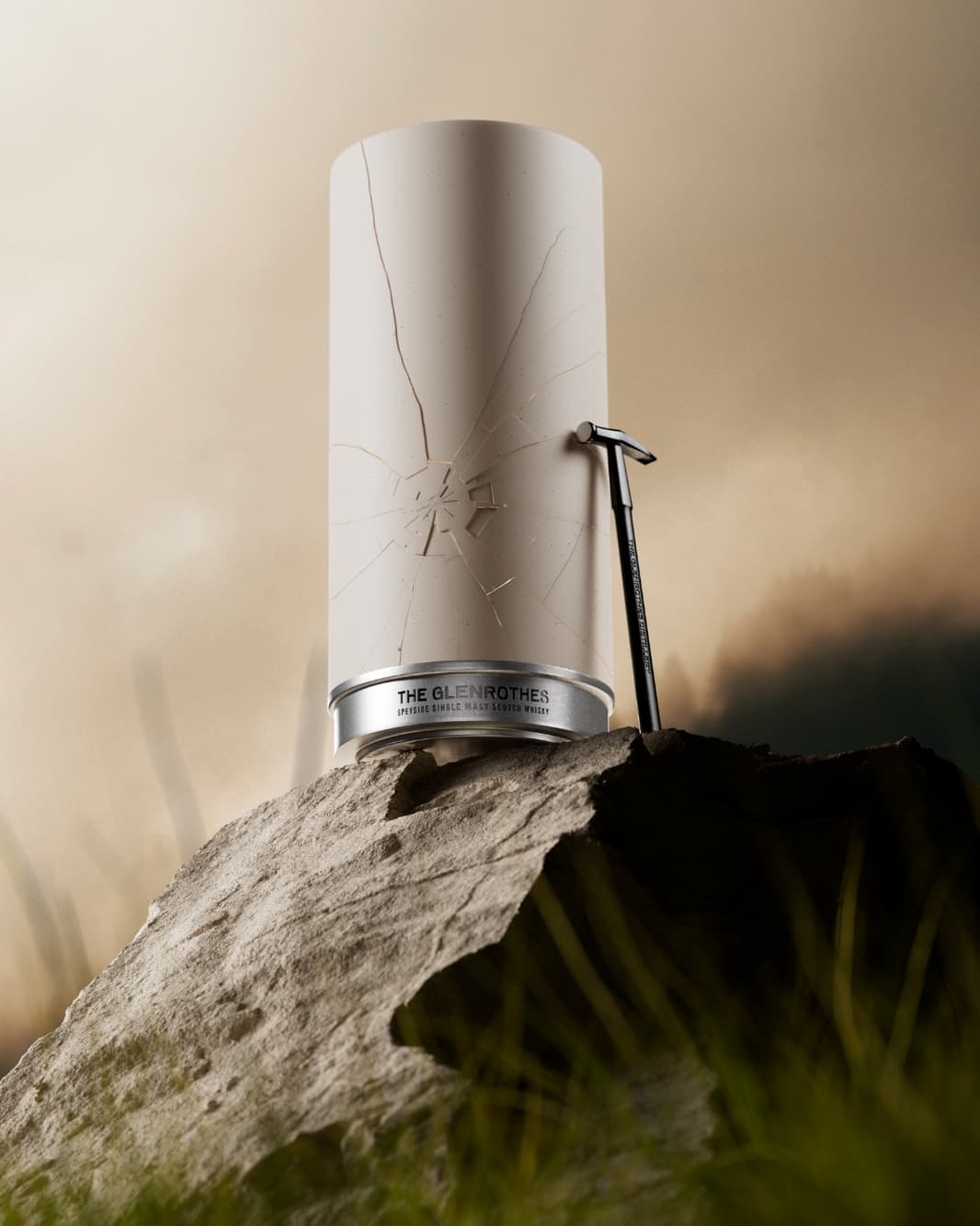
Within the ultra-premium spirits category, The Glenrothes is using its latest release to reinforce the brand’s distinct signature and sense of originality. “The 51”, a 51-year-old single malt limited to 100 bottles, reflects a growing shift away from passive collecting towards more engaged ownership. Drawn from two casks, the whisky itself is notable for retaining a high level of freshness and aromatic complexity, with floral and fruit-led characteristics that are uncommon at this age.
The strategic focus, however, sits as much on the product itself as a whole as it does with the spirit. Each bottle is sealed within a solid Jesmonite column that must be broken open with a hammer provided, making access to the whisky an irreversible act. The process introduces a level of interaction rarely seen in the category, where high-value bottles are often left unopened. Once opened, owners are invited to return the broken casing to be restored using a Kintsugi technique, transforming the fragments into a bespoke vessel.
As the high-end whisky market becomes increasingly saturated with age-statement releases, brands are placing greater emphasis on design and post-purchase experience as markers of distinction. With a price point of GBP 37,000 (approximately USD 50,000) and distribution through channels including Sotheby’s and Harrods, The 51 ultimately reinforces The Glenrothes’ signature approach — where craftsmanship and a distinct house style are extended into the experience surrounding the whisky itself.
The Macallan’s Diamonds Are Forever 55th Anniversary Release
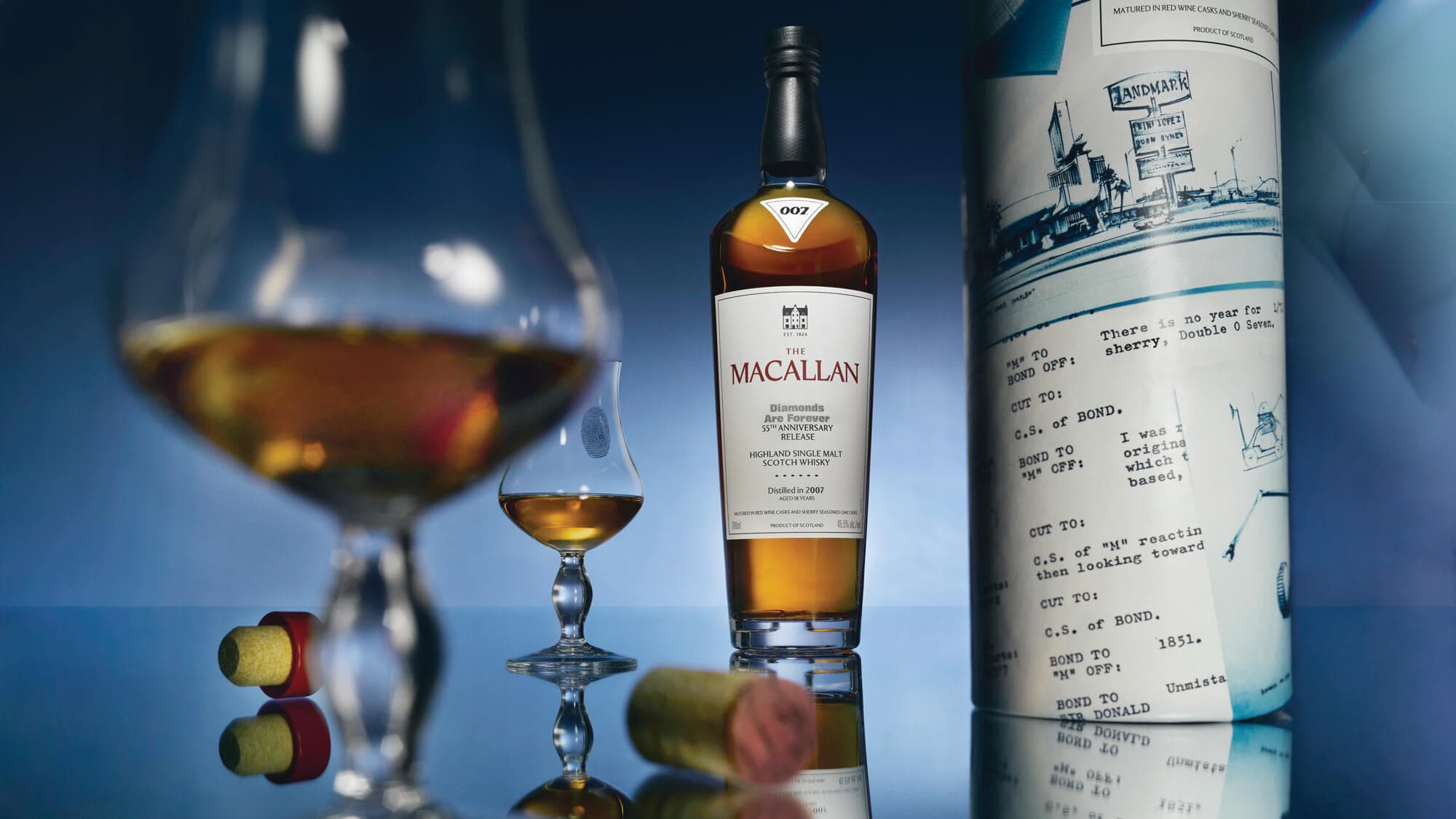
The Macallan continues to leverage cultural partnerships to reinforce its signature brand messaging, this time through a renewed association with James Bond. The Diamonds Are Forever 55th Anniversary Release marks over half a century since the film’s debut, positioning the whisky as both a commemorative release and a continuation of the brand’s long-standing relationship with cinema.
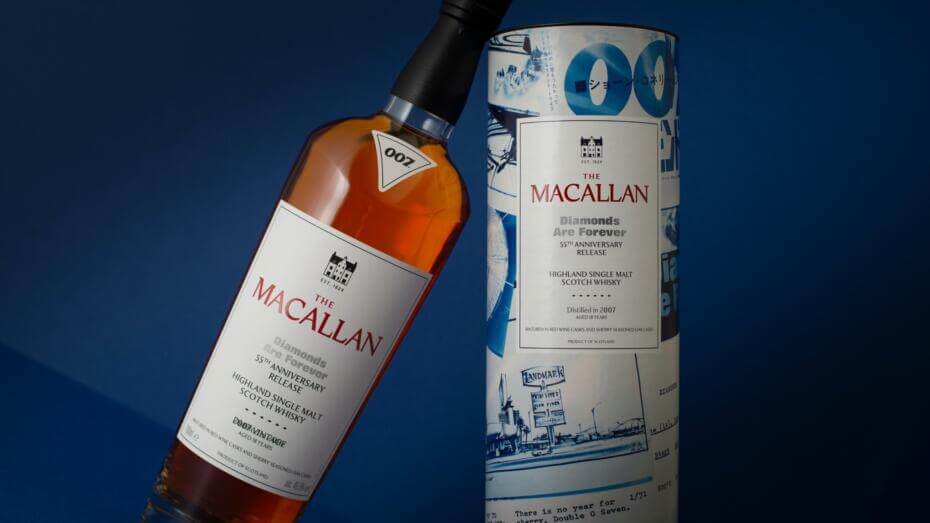
The release builds on previous collaborations, including the 60th anniversary series and reflects a broader strategy of aligning product development with storytelling. Distilled in 2007 and matured for 18 years, the single malt draws on a combination of sherry-seasoned European and American oak, alongside casks that previously held red wine — an unusual addition that references the film’s narrative details. The result is a whisky designed to mirror the layered structure associated with the Bond franchise — balancing richness with a lighter, more nuanced profile.
Presentation plays a central role as the packaging incorporates visual elements from the original Diamonds Are Forever production archive, translating cinematic motifs into the release. This approach reinforces The Macallan’s positioning as the brand’s signature is increasingly expressed through cross-industry collaborations and recognisable intellectual property. With distribution spanning direct-to-consumer channels, travel retail and selected global partners, the release is structured to reach both established collectors and a broader audience drawn to the Bond association.
Luxury Cars & Motoring
Rolls-Royce’s Coachbuild Collection
Rolls-Royce is extending its signature brand of craftsmanship and exclusivity with the introduction of its Coachbuild Collection — a new motoring experience that gives exclusive access to production as opposed to the finished object alone. Rather than presenting a one-off commission, the marque is formalising a model in which a limited series of coachbuilt motor cars is paired with a multi-year programme of curated experiences, aimed at its most design-literate clients.
Each Coachbuild Collection is conceived entirely in-house and produced in strictly limited numbers, with no repetition. The emphasis is placed on authorship and originality, with Rolls-Royce retaining full creative control while inviting selected clients into the development process. Access is managed through the brand’s global Private Office network, where participants are granted visibility into design, engineering and testing phases typically closed to the public. This includes entry to development environments, internal studios and a series of private events staged in key international locations.
Rolls-Royce’s Coachbuild Collection showcases how the brand is responding to collectors who are focused on proximity to the brand’s creative process. By structuring the programme in this way, the marque is effectively repositioning coachbuilding as both a product category and a platform for engagement. The first Coachbuild Collection will take the form of a fully electric motor car, signalling how Rolls-Royce is integrating its existing design language with its long-term electrification strategy. For a client base already familiar with models such as Spectre, the decision reinforces confidence in electric as a defining component of the brand’s future.
The Alfa Romeo Junior Elettrica
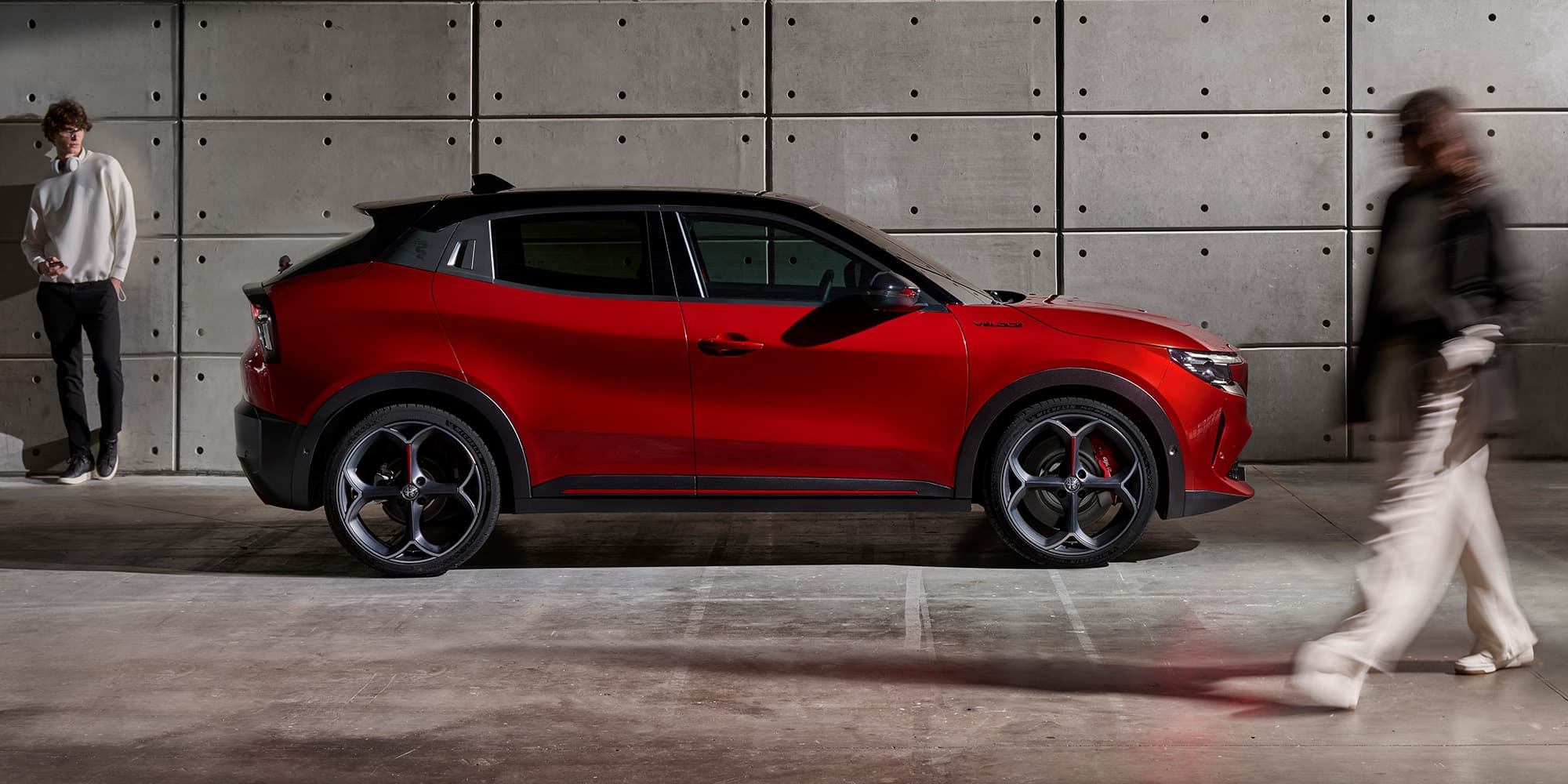
In the transition to electrification, Alfa Romeo is leveraging the launch of the Junior Elettrica to define how its signature identity translates into a new category. As the brand’s first fully electric vehicle, the model signals a shift in powertrain while maintaining a clear emphasis on design, performance and driver engagement. The Junior Elettrica is offered in multiple configurations ranging from 156 to 280 horsepower. It reflects Alfa Romeo’s continued focus on driving dynamics, with each variant tailored to a distinct driving profile. This is supported by a WLTP range of up to 256 miles and fast-charging capability, allowing the battery to reach 80 per cent capacity in under 30 minutes.
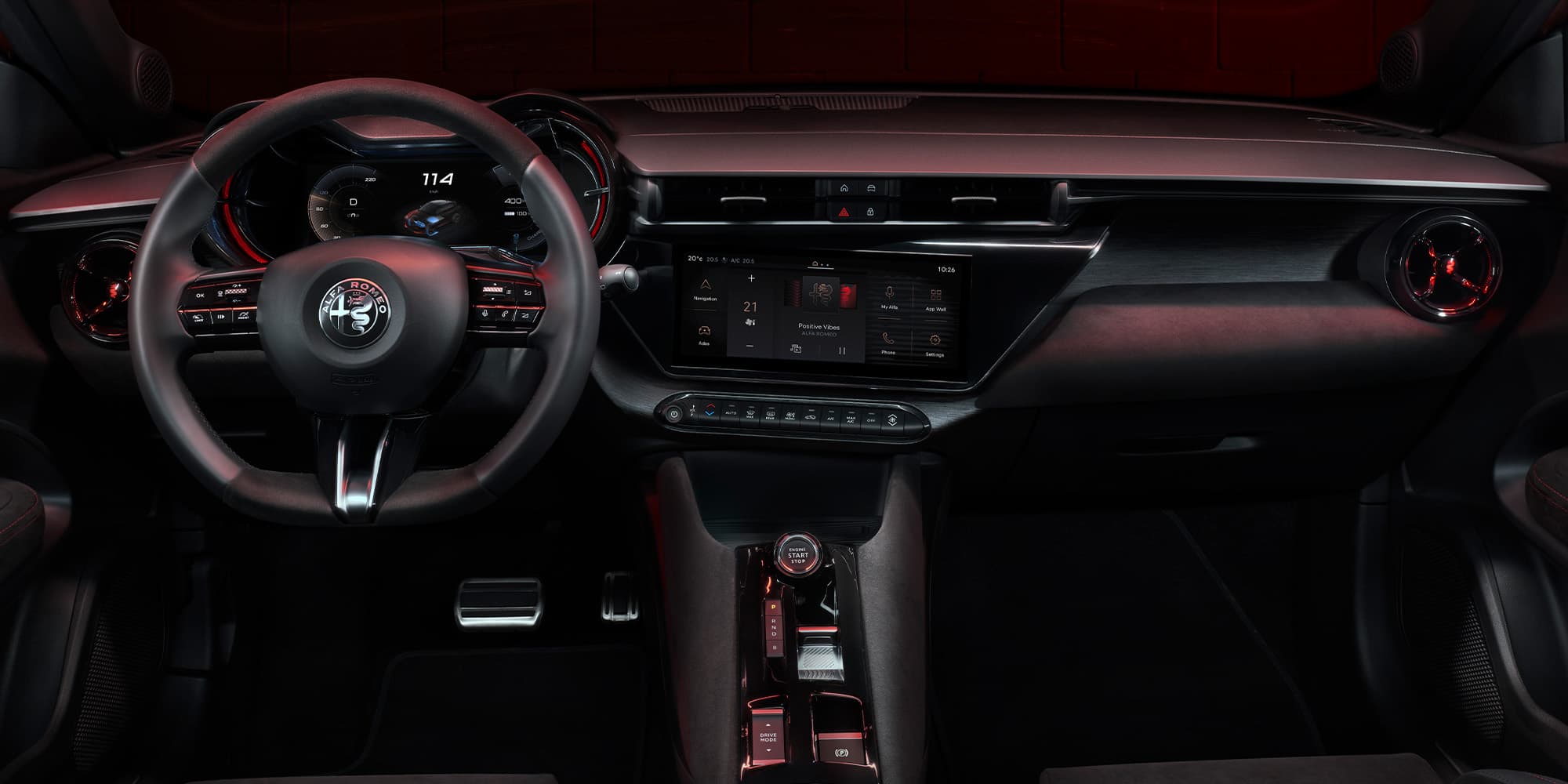
Interior architecture remains centred on the driver, reinforcing the marque’s long-standing approach to cockpit design, while practical considerations such as a 400-litre boot and an eight-year battery warranty position the model within everyday usability. The launch reflects a wider industry recalibration, where legacy performance brands are required to adapt to electrification without losing their defining characteristics. In this context, the Junior Elettrica translates Alfa Romeo’s signature elements into an electric format while maintaining a clear link to its heritage of sporty, design-led engineering.
High Jewellery
Bulgari Unveils Eclettica
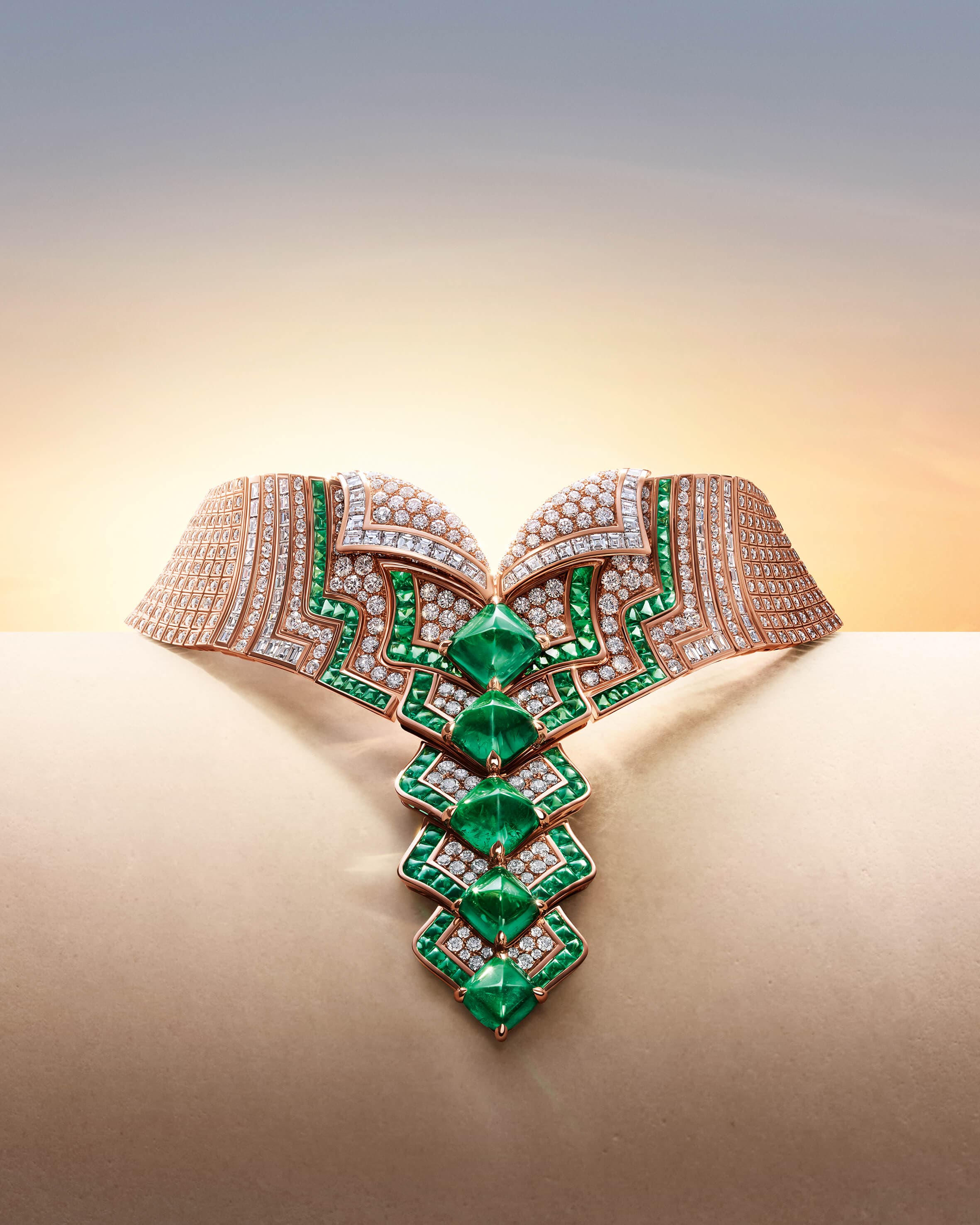
Bulgari introduces Eclettica, a new High Jewellery and High-End Watchmaking collection that formalises eclecticism as its central design principle. The collection positions contrast, transformation and cross-disciplinary reference as structural elements of its creative process, extending the Maison’s longstanding engagement with Roman artistic heritage. The launch includes more than 150 High Jewellery creations, alongside a record number of transformable pieces and over 50 multimillion-euro jewels. At its highest tier, nine works are identified as Capolavori, a designation reserved for the collection’s most complex pieces in terms of gemstone selection, construction and design execution.
The concept is rooted in Bulgari’s interpretation of Rome as a layered cultural environment where architectural and sculptural references coexist. These disciplines are used as formal reference points in the development of volume, colour composition and structural arrangement across the collection. Eclecticism is positioned as a consistent design method within the Maison’s contemporary output rather than a thematic departure. The ability to morph and transform is a key technical focus of the collection. Multiple pieces are designed to be reconfigured through detachable elements, modular assemblies or adjustable settings, extending their function across different wearing configurations.
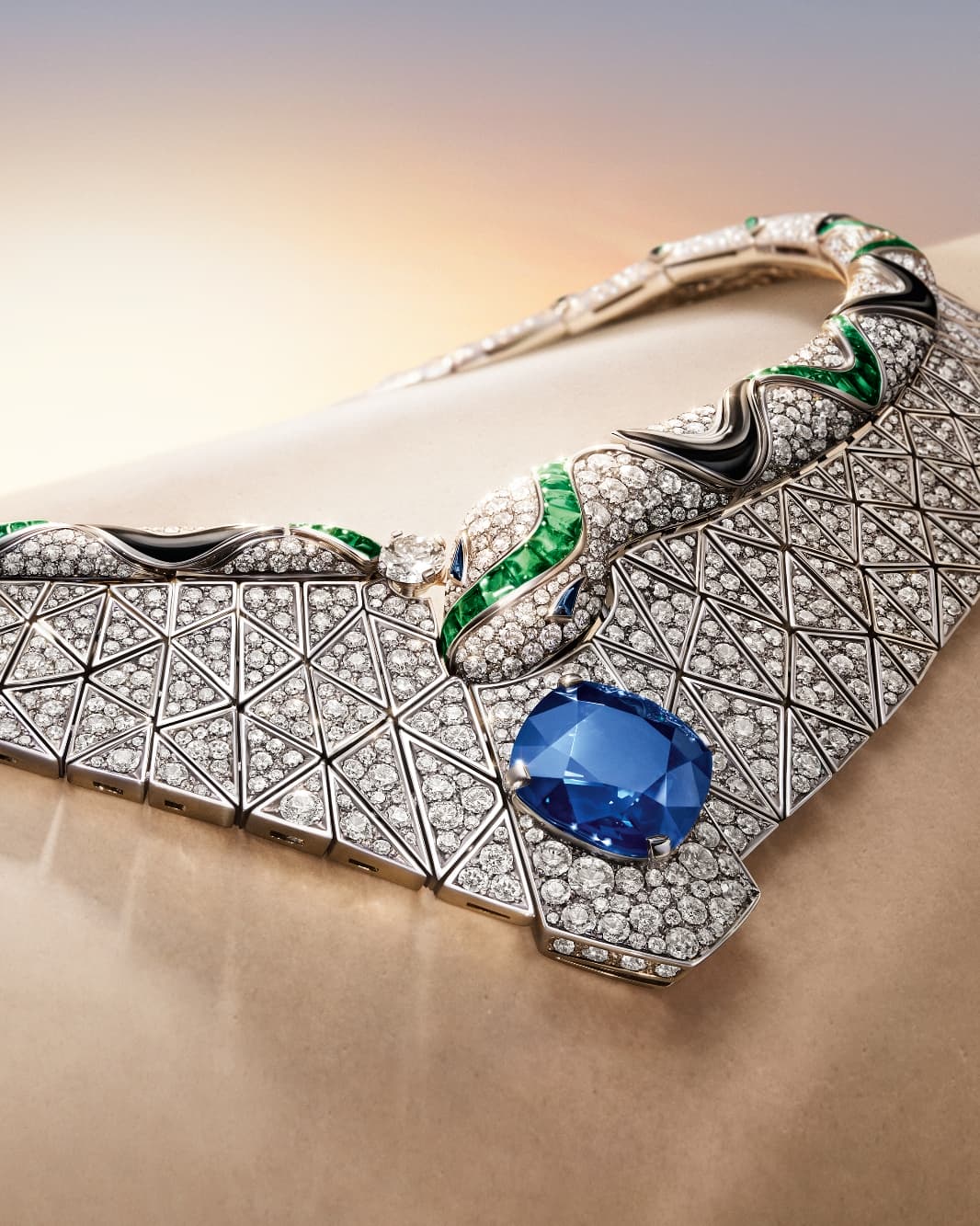
Across the Eclettica collection, Bulgari continues to develop a production model that combines large-scale High Jewellery output with individually engineered statement pieces. The emphasis remains on gemstone-led construction, modular design logic and complex assembly processes executed through extended craftsmanship timelines.
The Serpenti Scarf High Jewellery necklace translates textile references into a structured jewellery form. It is composed of more than 1,000 individual components and requires over 1,600 hours of assembly. The piece incorporates a detachable brooch set with a 31.90-carat Sri Lankan sapphire, which can be repositioned along the necklace structure. Sapphire and emerald elements are arranged in
Read more from original article, all rights reserved Signature Moves: 8 New Releases Shaping Luxury Brand Identity
Leave a Reply