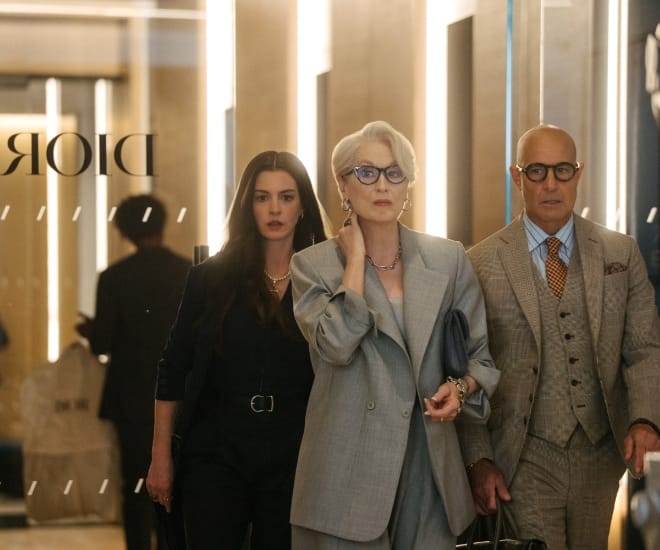
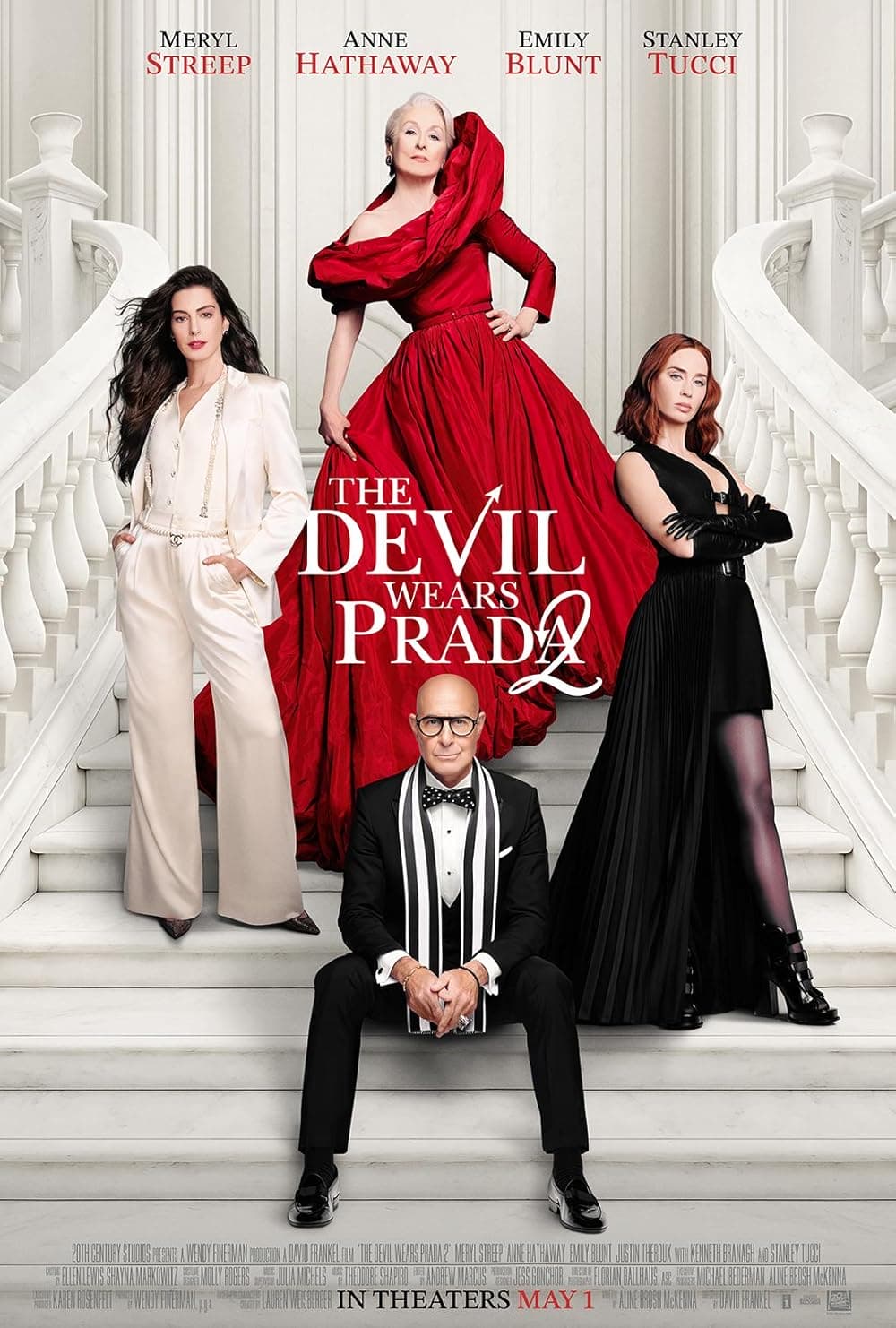
When The Devil Wears Prada first premiered in 2006, fashion media still operated through a hierarchy of exclusivity. Glossy magazines dictated trends, editors held near-mythical authority and luxury fashion remained largely inaccessible to the average consumer outside of department stores and print editorials. The film arrived during a wider cultural moment shaped by TV shows like Sex and the City and Gossip Girl, both of which framed luxury fashion consumption as entertainment in itself. The TV show Ugly Betty would follow shortly after, while singer-songwriter KT Tunstall’s “Suddenly I See” — featured in the film’s opening sequence — became inseparable from the era’s vision of fashionable young professional life.
How to Lose a Guy in 10 Days and 13 Going on 30 help reinforce the character of the young, ambitious fashion editor, which was already embedded within the cultural imagination by the mid-2000s. Audiences of the genre were fascinated by the inner workings of fashion magazines, designer wardrobes and the aspirational world surrounding luxury publishing. The Devil Wears Prada succeeded because it arrived at the precise moment when fashion media still felt both glamorous and aspirational.
What made the original Devil Wears Prada culturally significant was not simply its fashion references or quotable dialogue, but how accurately it reflected the industry at the time. Beneath its exaggerated humour sat a recognisable ecosystem of editors, assistants, photographers and designers operating within tightly controlled systems of influence. References like “Get me Patrick Demarchelier” or Miranda Priestly’s cerulean sweater monologue resonated because they reflected a world where fashion knowledge itself functioned as cultural currency.
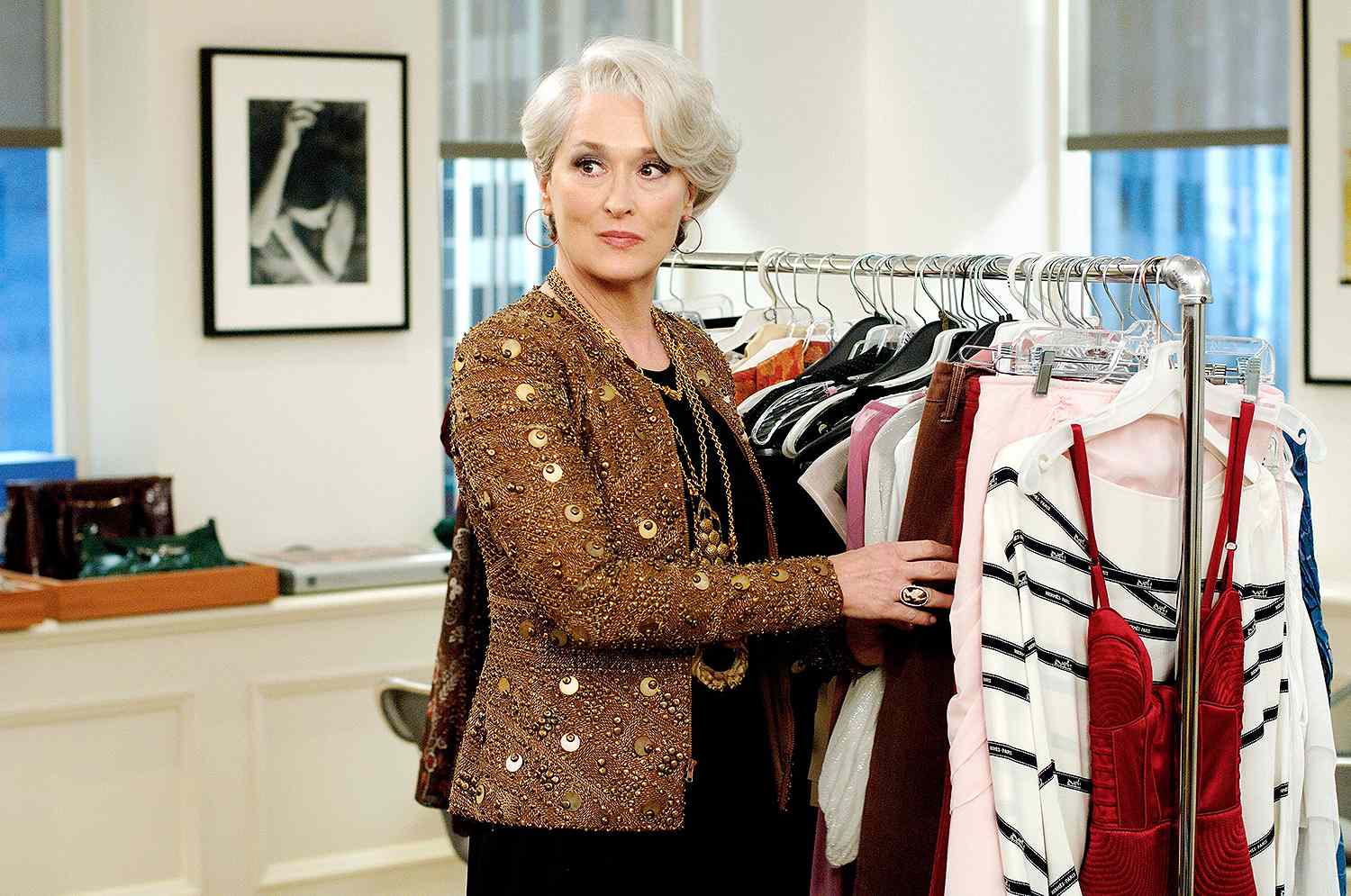
Nearly twenty years later, The Devil Wears Prada 2 arrives in an entirely different landscape.
“Layoffs, downsizing, consolidation”, says Andy Sachs, lamenting on the landscape of the media industry to a friend upon being fired from the fictional prestigious newspaper “The New York Vanguard”. Andy is then tapped to run Runway’s features department.
This editor will admit that heading into the sequel, there was a concern that the film would feel overly sanitised for a 2026 audience, stripped of the sharpness and industry cynicism that made the original compelling. Surprisingly, while The Devil Wears Prada 2 is undeniably softer around the edges, it does not entirely lose the biting observational humour that defined the first film. Instead, the sequel seems less interested in recreating the fashion industry of 2006 and more focused on examining what luxury culture has become amid the rise of social media and digital media.
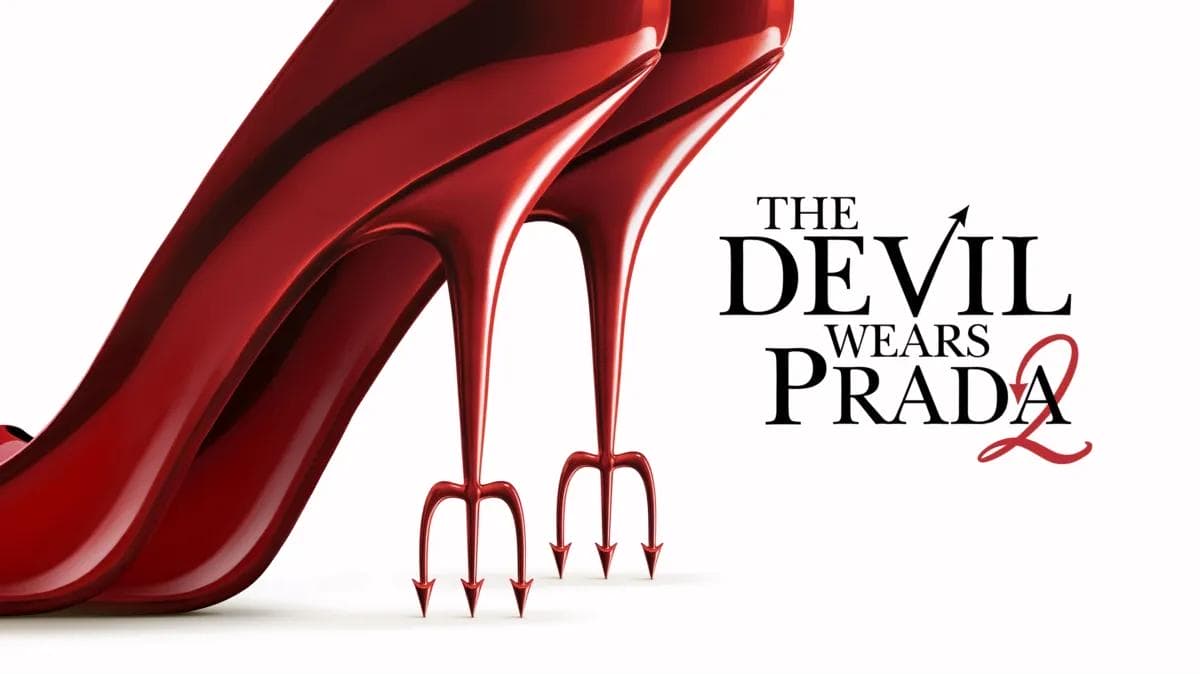
Commercially, the strategy worked. The Devil Wears Prada 2 reportedly recouped more than 230 percent of its reported USD 100 million production budget within its opening weekend, earning approximately USD 233.6 million globally and becoming one of the biggest box office openings of 2026. Part of that success can be attributed to how effectively the film blurred the line between marketing campaign and immersive cultural event. Speaking on “The Art of the Brand podcast”, branding strategist Phillip Millar argued that the film’s promotional rollout succeeded because it transformed nostalgia into a participatory experience rather than relying solely on conventional advertising.
As Millar noted, audiences were encouraged to engage with the world of “Runway” before the film even premiered — through pop-ups, branded merchandise and highly shareable in-person experiences designed specifically for social media circulation. “People want in-person experiences,” he explained, adding that the campaign successfully gave audiences “a reason to go to the theatre” while turning the premiere itself into a form of luxury world-building.
Ironically, one of the campaign’s most successful marketing tools was the physical magazine itself. During the late 2010s, editorial workers became increasingly familiar with the looming narrative surrounding the “death of print”. Yet for The Devil Wears Prada 2, the tactile fantasy of magazines became part of the appeal once again. A limited-edition physical issue of “Runway” magazine featuring Emily Blunt’s character Emily Charlton was distributed through pop-ups in New York and Los Angeles, quickly becoming both collector’s item and a social media prop.
The sequel ultimately understands something the original film never needed to articulate, which is that in 2026, fashion culture exists as much through participation and online visibility as it does through the clothes themselves. The film also accurately reflects how dramatically fashion media’s power structure has shifted. In the original The Devil Wears Prada, fashion editors operated as near-untouchable gatekeepers. Stylist Patricia Field and costume designer Molly Rogers have both spoken about how certain luxury brands were initially hesitant — or outright declined — to participate in the first film out of fear of potential repercussions from Anna Wintour and Vogue. That level of editorial influence epitomised power in the fashion industry. A favourable cover story, runway review or editorial placement could materially shape a brand’s cultural relevance and commercial success.
Today, only a small handful of editors still command that kind of institutional authority, with Wintour remaining one of the last figures emblematic of that era. The balance of power has shifted away from traditional magazines towards advertisers, conglomerates, influencers and digital platforms. Brands no longer compete for scarce editorial space in the same way; instead, publications increasingly compete for advertising budgets and corporate partnerships in an oversaturated media ecosystem. Miranda having to hang up her
Read more from original article, all rights reserved Review: Did The Devil Wears Prada 2 Capture Fashion’s Cultural Zeitgeist?
Leave a Reply