

LUXUO offers a glimpse into the fascination and intrigue of collecting limited-edition lighting and furniture in the realm of interior design. These one-of-a-kind interior furnishings are more than just functional; they are a synthesis of material innovation, architectural history and financial opportunity. Purchasing such items is like obtaining a blue-chip asset for the astute collector. The market is presently fuelled by a quest for provenance as well as the lasting appeal of postmodernist and mid-century visions, in which useful items go beyond their household functions to become sculptural declarations of cultural capital.
Porro’s Linea Cabinets: Marvellous Marquetry
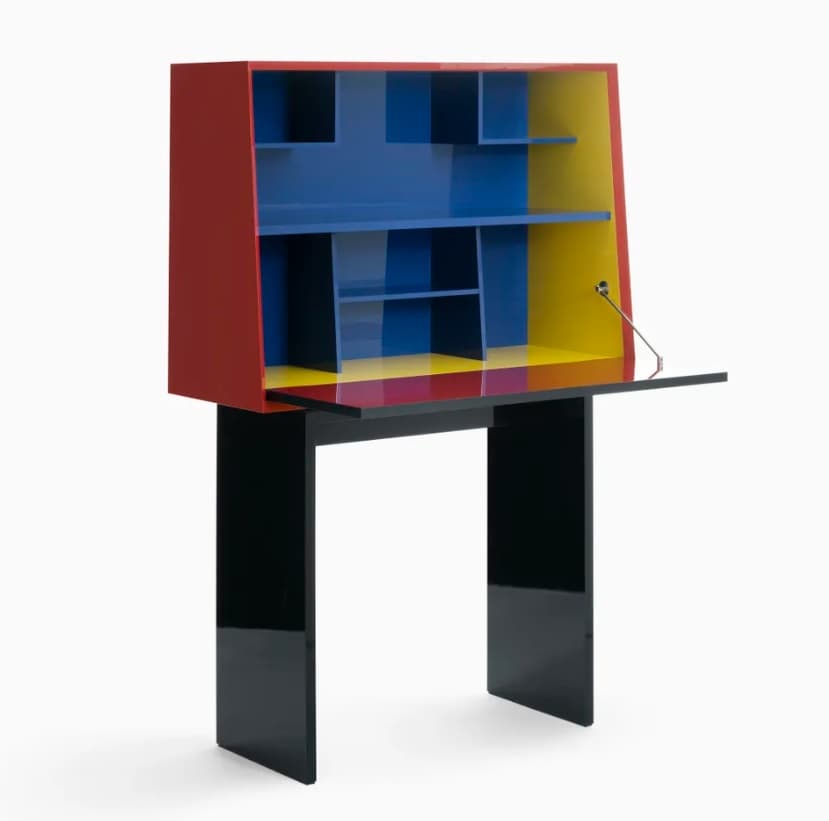
Porro Linea writing desk, Image: Alberto Strada.
The use of colour has always been the focal point of Alessandro Mendini’s designs, who was a titan of the postmodern movement. The ‘Maggio’ and ‘Schermo’ series of cabinets (2014), which feature abstract geometric designs made of elm, oak and acacia, are two of the designer’s many collaborations with Porro. With his family’s consent, Porro returned to the Mendini archives in 2023 and discovered a body of work never previously seen: the Linea series of cabinets.
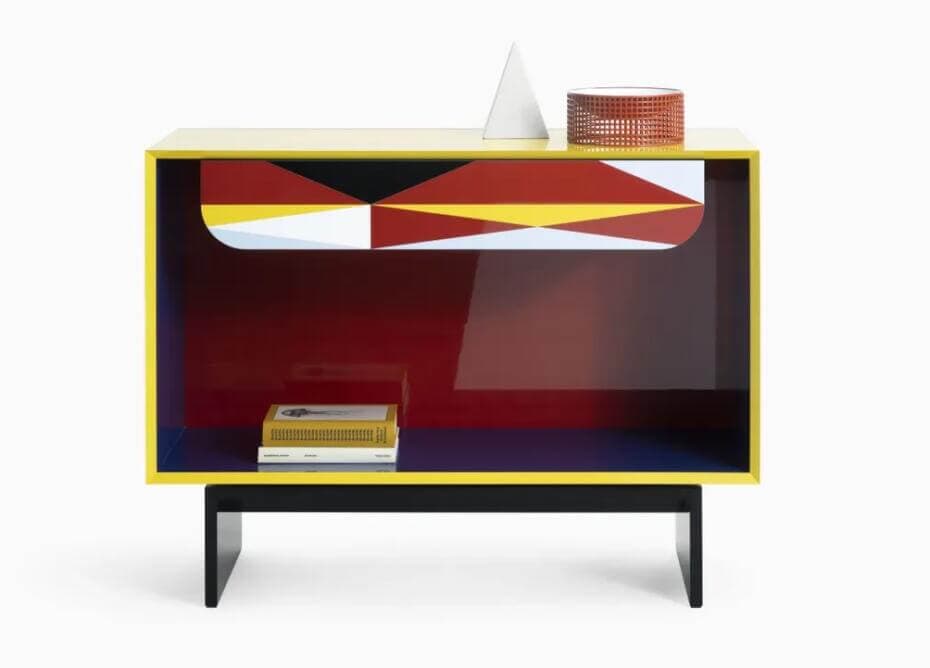
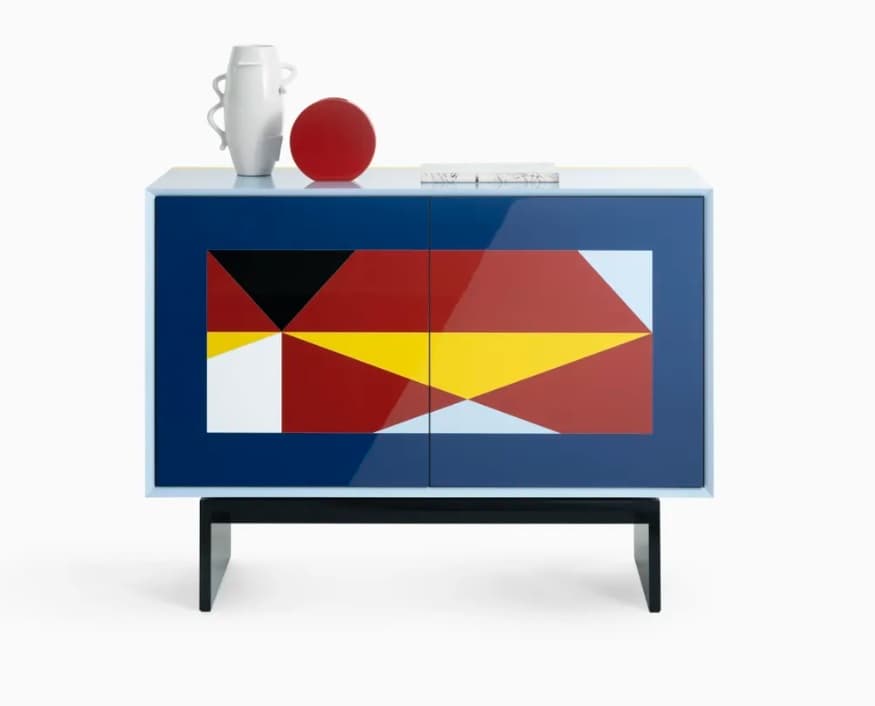
Left: Linea open sideboard with drawer. Image: Alberto Strada. Right: Linea sideboard with hinged doors Image: Alberto Strada.
The collection — which included an open cupboard with a drawer, a closed cupboard with hinged doors and a high writing desk with a drop-leaf door and interior walls — debuted at Milan Design Week in 2024. Each typology was made in a limited quantity of 50 pieces, which can be enquired at Xtra. Due to their limited production and the meticulous, handcrafted marquetry work that prioritises colour and form, these pieces are unquestionably extremely collectable. Purchasing these pieces gives one access to the Mendini archive and captures the rigorous yet humorous intellectual essence of Mendini’s philosophy as a functionalism disruptor.
Cassina LC4: The Definitive Resting Machine
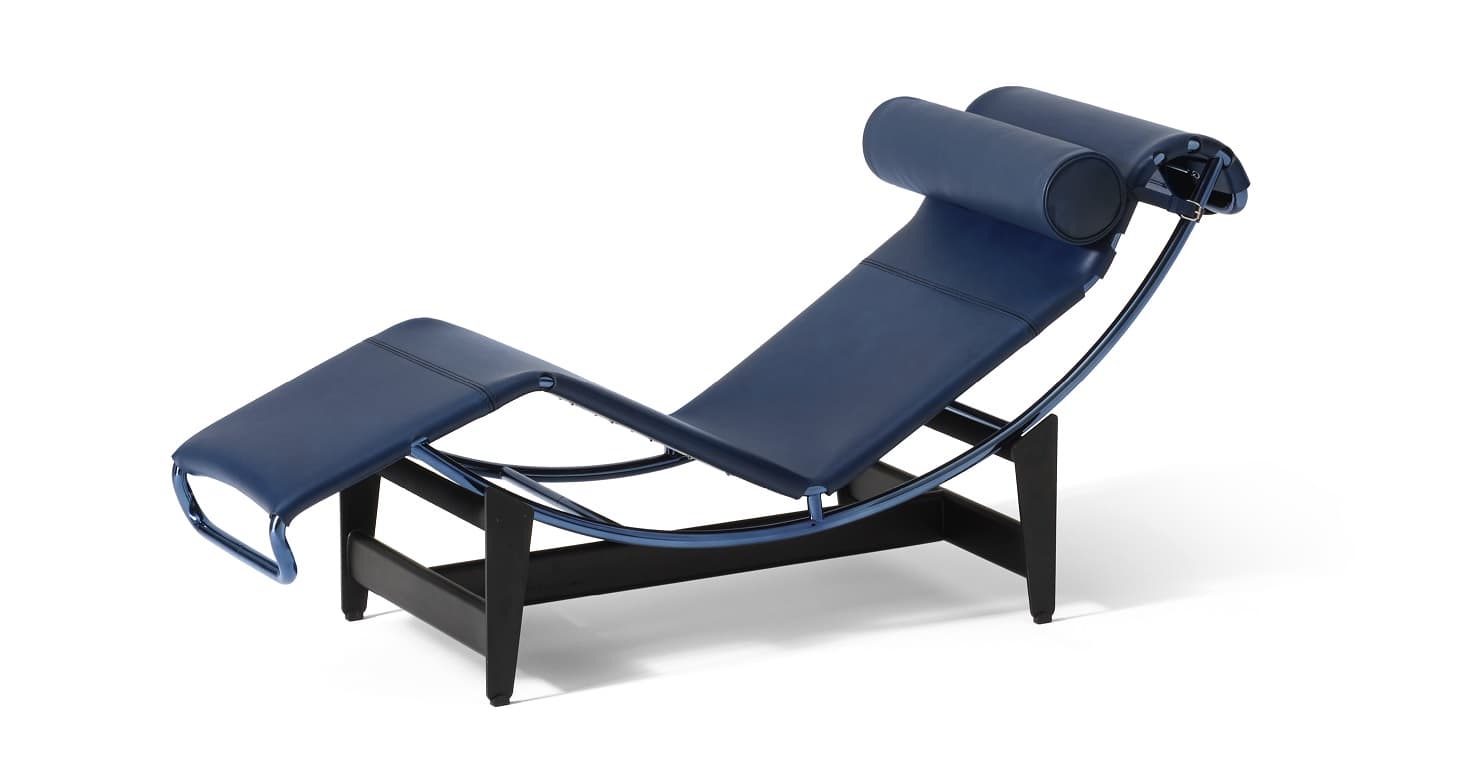
One of the most renowned pieces of modernist furniture in the world is still the LC4 Chaise Longue, created in 1928 by Le Corbusier, Pierre Jeanneret and Charlotte Perriand. The “resting machine” has a purist fixation with human anatomy and is constructed on a steel frame that permits constant adjustment. The strict authenticity upheld by Cassina — the only authorised producer — is the source of collectability. Tri-colour cowhide or black leather with a trivalent chrome-plated steel frame is a common feature of high-end models. Cassina has released the “LC4 60” limited edition to commemorate 60 years of production within the official collection and it can be enquired at W.Atelier.
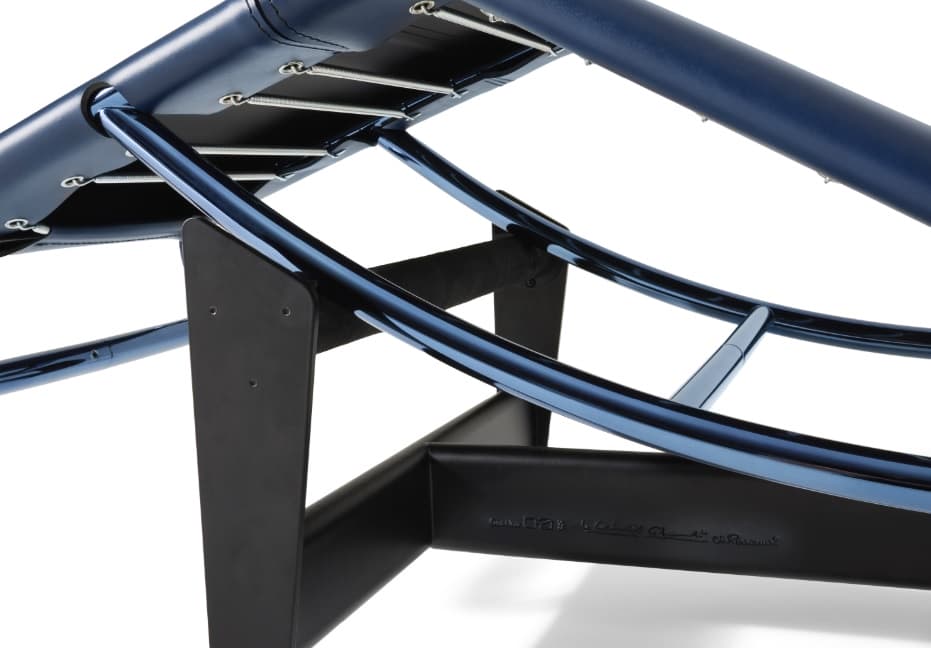
Le Corbusier’s autograph is emblazoned on the LC4’s steel base as proof of authenticity. Image: Cassina.com
Three vivid colourways — midnight blue, alezan and mercury — are added to the recognisable steel frame in this anniversary version. This uncommon deviation from the classic chrome finish drives collectability by providing a modern take on the “resting machine.” This anniversary model — which combines the anatomical precision of the 1920s original with a recorded, time-sensitive production run that marks an important milestone in Cassina’s manufacturing history — is a strategic investment for collectors. The LC4 is unquestionably a must-have purchase for collectors as it represents the emergence of ergonomic modernity.
Vitra Antony Chair: Jean Prouvé’s Engineering Feat
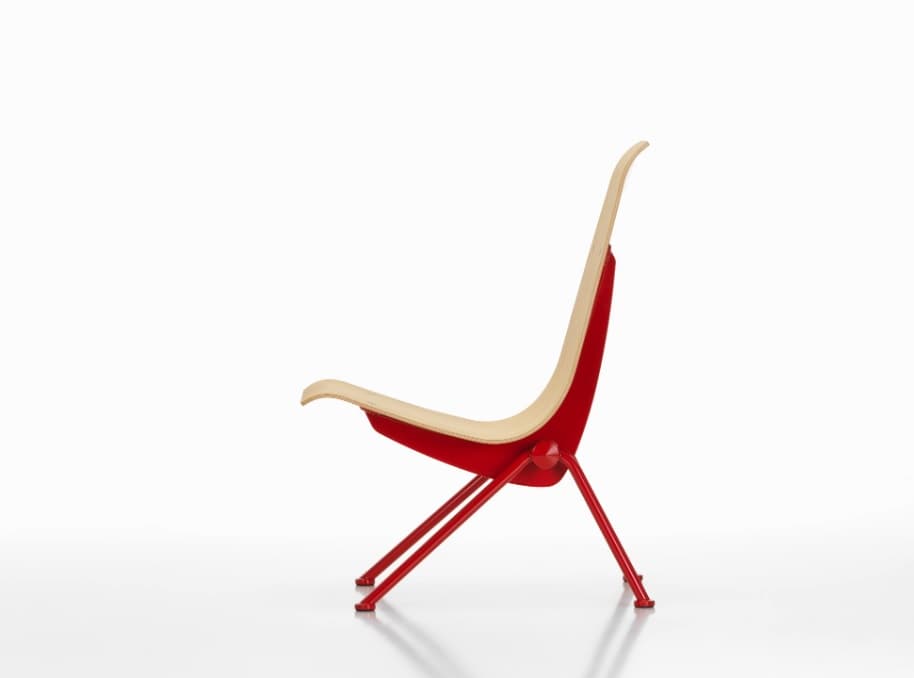
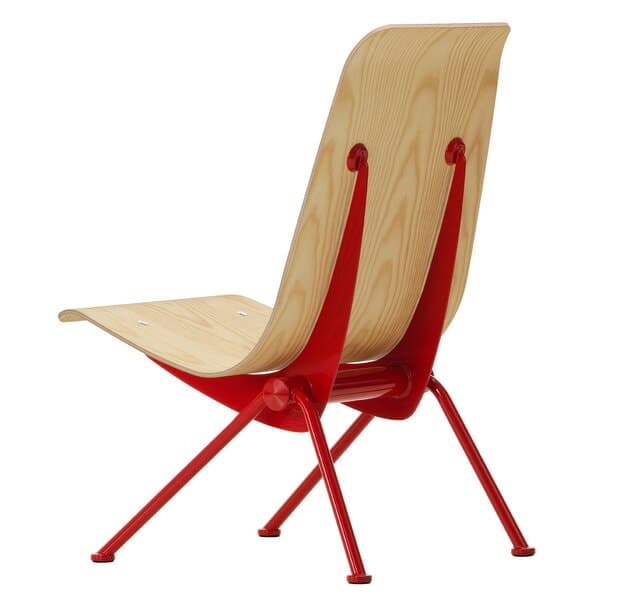
Left: The sleek, curved profile of the Antony chair. Image: Vitra.com. Right: The 2025 anniversary model of the Vitra Antony chair offers a Corsair Red on the metal frame. Image: Vitra.com
This chair is a masterpiece of Jean Prouvé’s “ateliers” philosophy, created in 1954 for the Cité Universitaire at Antony. The Antony chair is highly valued for its unusual design, which consists of a heavy-gauge sheet steel base supporting a curved plywood seat. The 2025 limited-edition model — sold at W.Atelier — bears a consecutively numbered label and is finished in Rouge Corsaire (Corsair Red) on the metal frame, paired with a seat shell made of European pine protected by a wax finish, solidifying its reputation among design enthusiasts. For vintage pieces, collectors are drawn to this piece because of its structural integrity and the particular “Prouvé colours” that the designer created, like Vert Marcoule (green) or Gris Vermeer (grey). Due to its restricted supply and historically relevant French heritage, the Antony chair maintains a good secondary market performance and is a worthwhile investment since it bridges the gap between mid-century warmth and brutalist industrialism.
Artek Stool 60: Finnish Functionalism at 90
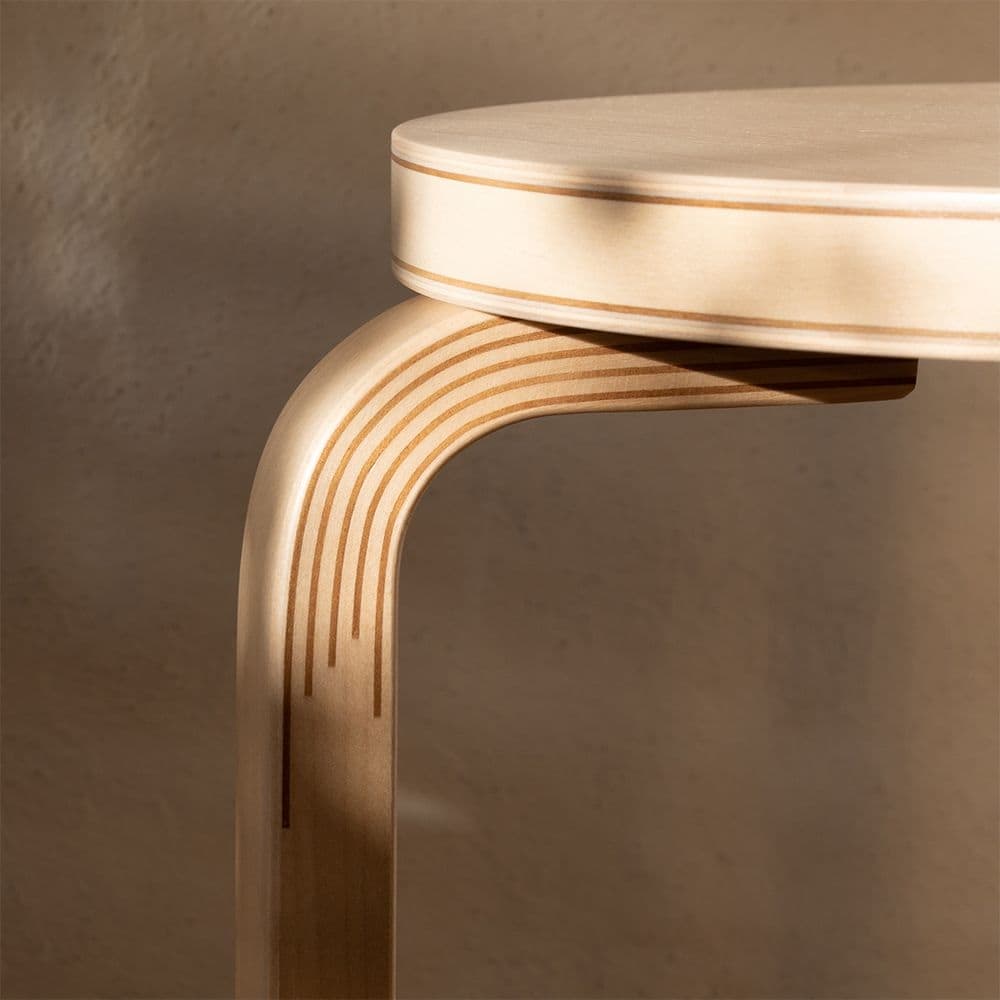
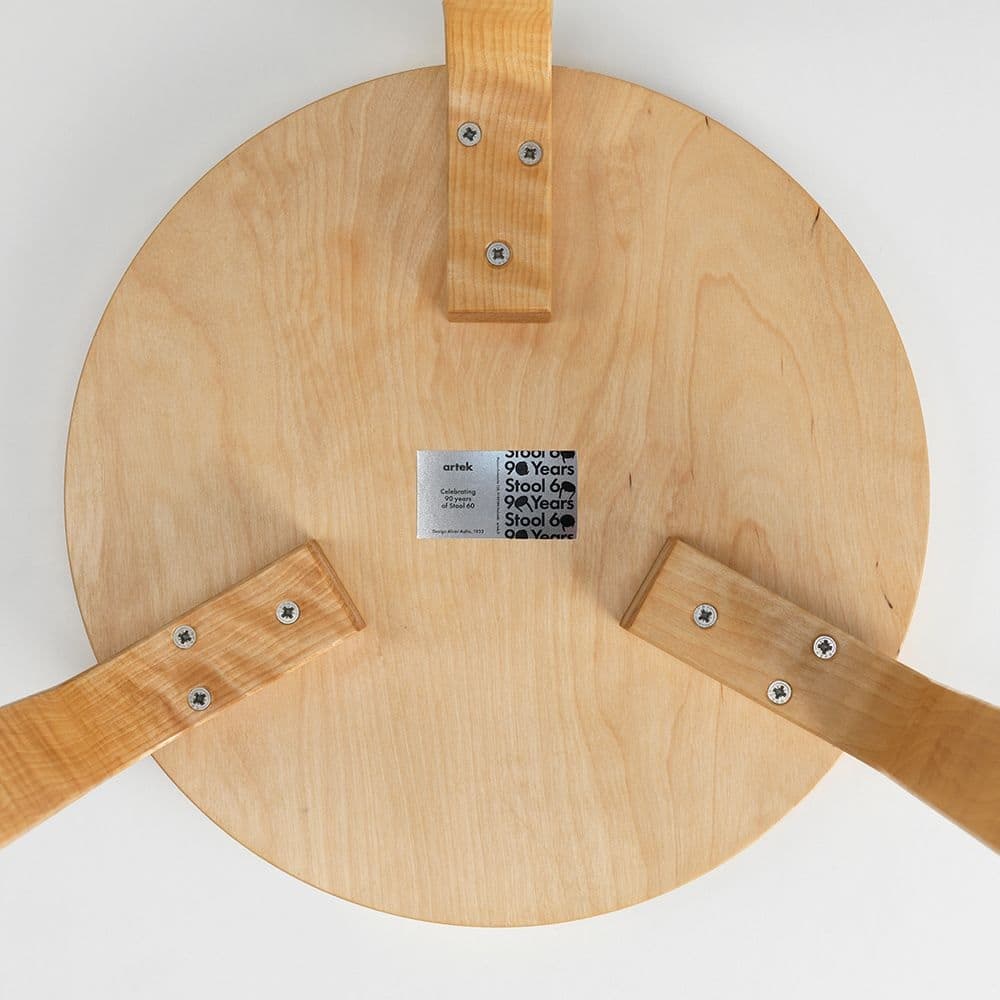
Left: The “Kontrasti” version of the Stool 60 offers heat-treated veneers to showcase wood contrast. Image: Artek.com. Right: The Stool 60 with the 90th anniversary label as proof of authenticity. Image: Artek.com
The L-leg idea is best exemplified by Alvar Aalto’s 1933 Stool 60 manufactured by Artek. This innovative method eliminated the need for intricate joinery by bending solid wood to produce a structural support that could be fastened straight into the seat. The Artek stool 60 — which celebrated its 90th anniversary — is available in three versions: Villi, Loimu and Kontrasti; and is distributed by W.Atelier. These models included distinctive grain, darkened birch or contrasting dyed wood, respectively. The stool’s radical simplicity and stacking practicality make it a favourite among collectors. Special editions made of Finnish birch with coloured linoleum tops or “Kontrast” heat-treated veneers are extremely popular. The Artek Stool 60 is a low-risk, high-reward investment because of its widespread presence in esteemed galleries, which guarantees that rare versions or anniversary models will continuously increase in value as representations of timeless Nordic design.
Rio Lounge Chair: Niemeyer’s Sensual Curves
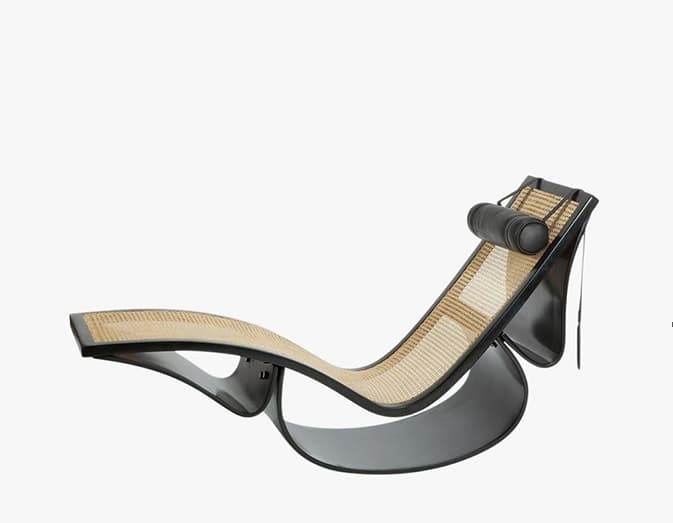
Rio Lounge Chair balances on rigid oak frames. Image: Dezeen.com
Together with his daughter, Anna Maria Niemeyer, Oscar Niemeyer created the Rio Lounge Chair in 1978. The chair is made of bent, black-lacquered wood with a hand-woven cane seat that reflects both the architect’s characteristic concrete shapes and the flowing curves of Brazil’s landscapes. As a unique attempt at furniture by one of the finest architects of the 20th century, the Rio Lounge Chair is extremely collectable. The lounger offers a sculptural lightness that is produced by the tension between the delicate caning and the stiff oak frame. The Rio Lounge Chair offers a unique style that defies the straight lines of European rivals and is now a prized item among collectors, thereby bringing the grandeur of Brazilian Modernism into the interior.
B&B Italia Le Bambole: The 50th Anniversary Icon
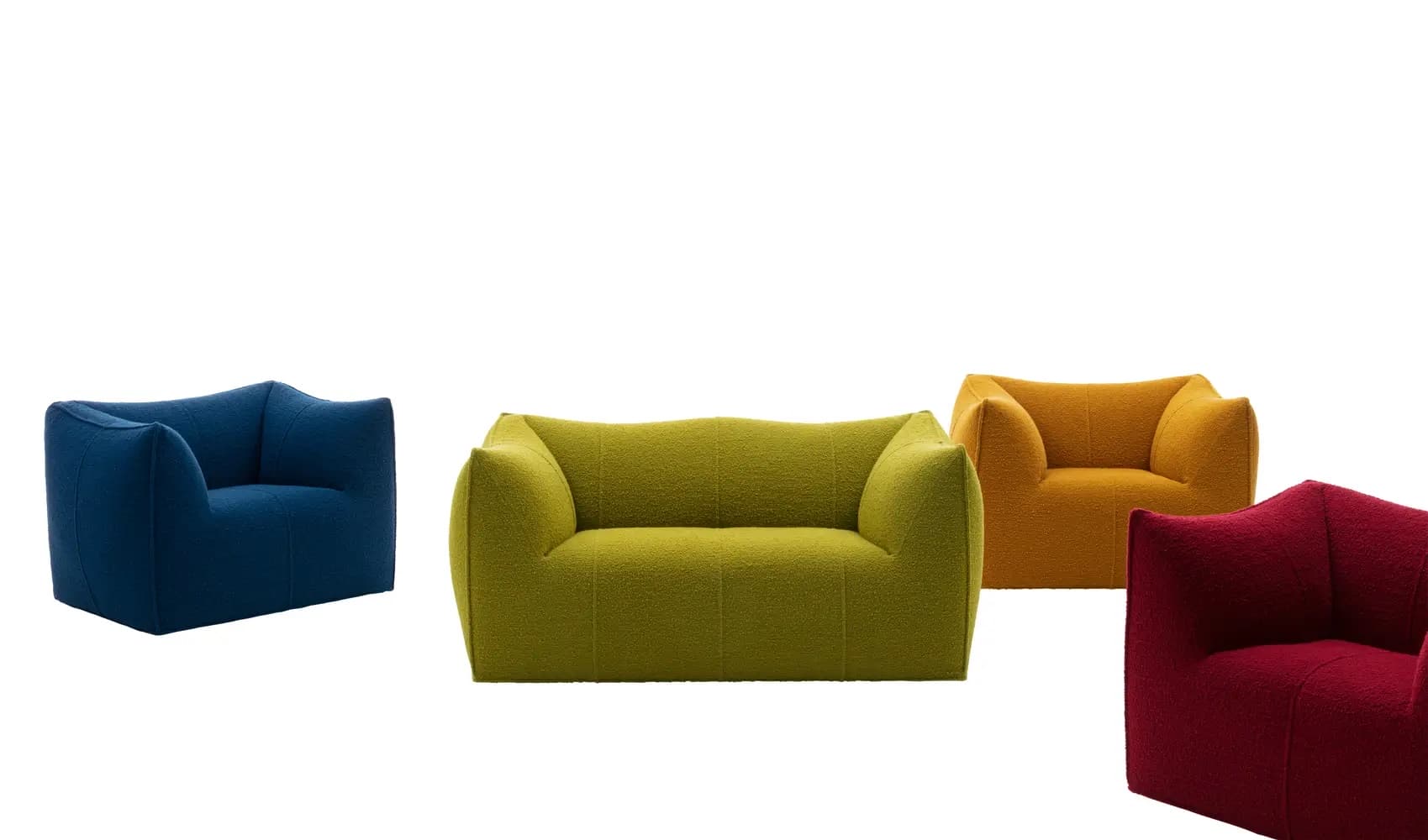
B&B Italia’s Le Bambole 50th anniversary sofa models. Image: B&B Italia.
Le Bambole — Mario Bellini’s 1972 design for B&am
Read more from original article, all rights reserved 8 Coveted Furniture and Lighting Pieces Worth Collecting
Leave a Reply